Hydroxamated polyacrylamide (HAPAM) is an advanced selective chelating flocculant designed to deliver very fast settling rates in complex industrial solid–liquid separation systems. Its performance is significantly superior to conventional polyacrylamide because it combines high-molecular-weight polymer bridging with hydroxamic acid metal-chelation chemistry (–CONHOH groups). This dual mechanism enables rapid aggregation of fine particles, dense floc formation, and accelerated sedimentation.
Below is a detailed and structured explanation (~900+ words) of the application of hydroxamated polyacrylamide flocculant with fast settling performance.
1. Introduction: Why Fast Settling Matters
In industrial processes such as mining, metallurgy, and wastewater treatment, solid–liquid separation is often a bottleneck. A fast settling rate is critical because it directly impacts:
-
Plant throughput capacity
-
Equipment size (thickeners, clarifiers)
-
Water recovery efficiency
-
Operating cost
-
Downstream filtration performance
However, modern industrial slurries often contain:
-
Ultra-fine particles (<10 μm)
-
Clay and colloidal materials
-
High ionic strength
-
Metal hydroxides and oxides
-
High turbidity suspensions
These systems settle very slowly without advanced flocculants.

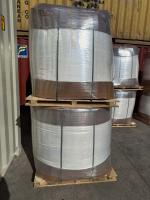
928_small.jpg "hydroxamated polyacrylamide flocculant with fast settling rate")



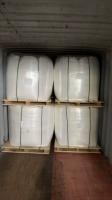
508_small.jpg "The main application of polyacrylamide (Magnafloc 90L 919)")