Application of PRAESTOL 851
PRAESTOL 851 is a cationic polyacrylamide (CPAM) flocculant developed for efficient solid–liquid separation in municipal and industrial processes. It combines high molecular weight with moderate-to-high cationic charge density, allowing it to effectively neutralize negatively charged particles and form strong, fast-settling flocs. Due to its balanced performance, PRAESTOL 851 is widely applied in wastewater treatment, sludge dewatering, sludge thickening, pulp and paper processing, and selected mineral processing operations.
1. Municipal Wastewater Treatment
The most important application of PRAESTOL 851 is in municipal wastewater treatment plants, particularly for sludge conditioning and dewatering. Municipal sludge contains large amounts of organic matter, microorganisms, and fine colloids, which carry negative surface charges and respond efficiently to cationic polymers.
Key applications include:
-
Sludge dewatering: PRAESTOL 851 is used in centrifuges, belt filter presses, screw presses, and plate-and-frame filter presses. It promotes the formation of dense, shear-resistant flocs that release water quickly.
-
Sludge volume reduction: Improved dewatering performance leads to higher dry solids content in the sludge cake, reducing transport and disposal costs.
-
Process stability: PRAESTOL 851 provides consistent performance under varying sludge compositions and seasonal load fluctuations.
Its rapid flocculation behavior and strong floc structure make it suitable for high-speed and high-shear dewatering equipment.
2. Industrial Wastewater Treatment
PRAESTOL 851 is widely applied in industrial wastewater treatment systems to remove suspended solids, organic contaminants, and colloidal particles.
Typical industries include:
-
Food and beverage processing: Efficiently flocculates organic solids, fats, proteins, and starches, improving effluent clarity and downstream biological treatment performance.
-
Chemical and pharmaceutical plants: Helps clarify wastewater containing fine particulates and complex organic compounds.
-
Textile and dyeing industries: Removes fibers, dyes, and suspended solids, reducing turbidity and color.
-
Metal processing and surface treatment: Enhances removal of metal hydroxide flocs and fine particulates after pH adjustment.
In these applications, PRAESTOL 851 functions through charge neutralization and polymer bridging, producing large flocs that settle or float rapidly.
3. Sludge Thickening Applications
Another important application of PRAESTOL 851 is sludge thickening, where the objective is to increase solids concentration prior to dewatering or disposal.
Benefits in thickening systems include:
-
Faster settling rates in gravity thickeners
-
Higher underflow solids concentration
-
Reduced hydraulic load on dewatering equipment
-
Improved overall plant efficiency
PRAESTOL 851 is effective for biological sludge, mixed sludge, and industrial slurries, especially those with high organic content.
4. Pulp and Paper Industry
In the pulp and paper industry, PRAESTOL 851 is used as a retention aid and sludge dewatering agent.
Key applications include:
-
Retention improvement: Enhances retention of fines, fillers, and pigments during paper formation, reducing raw material losses.
-
White water clarification: Improves clarification of process water, enabling reuse and reducing fresh water consumption.
-
Paper mill sludge dewatering: Increases dewatering efficiency of primary and secondary sludge, lowering disposal costs.
By improving drainage and retention, PRAESTOL 851 contributes to better paper machine runnability and consistent product quality.
5. Mining and Mineral-Related Water Treatment
Although PRAESTOL 851 is not typically used as a primary flocculant in mineral beneficiation, it is applied in mine water and mineral-related wastewater treatment.
Applications include:
-
Clarification of mine water: Removes fine suspended solids from process water and tailings pond overflow.
-
Sludge dewatering: Improves dewatering of mineral sludges from washing, flotation, or beneficiation processes.
-
Water recycling: Facilitates reuse of clarified water, reducing fresh water demand.
The flocs formed by PRAESTOL 851 exhibit good resistance to shear and salinity, making it suitable for challenging mining environments.
6. Environmental and Economic Benefits
The application of PRAESTOL 851 provides several environmental and operational advantages:
-
Reduced polymer dosage: High efficiency lowers chemical consumption.
-
Improved water recovery: Supports recycling and reuse of treated water.
-
Lower sludge disposal costs: Higher cake solids and reduced moisture content.
-
Stable performance: Reliable flocculation under changing process conditions.
These benefits make PRAESTOL 851 a preferred solution for plants aiming to improve treatment efficiency and sustainability.
7. Dosage and Handling Guidelines
-
Typical dosage: 1–10 mg/L for wastewater treatment or 2–8 kg per ton of dry sludge solids, depending on sludge characteristics and equipment type.
-
Preparation: Supplied as a dry powder, PRAESTOL 851 should be properly dissolved and aged to ensure full polymer activation.
-
Safety: Non-hazardous under normal industrial use; standard personal protective equipment is recommended.
Laboratory jar tests and on-site trials are essential to optimize dosage and achieve best performance.
Conclusion
PRAESTOL 851 is a versatile and efficient cationic polyacrylamide used primarily in municipal and industrial wastewater treatment, sludge dewatering, sludge thickening, pulp and paper processing, and mining-related water clarification. Its balanced cationic charge density and high molecular weight ensure rapid flocculation, strong floc formation, and excellent dewatering results. By improving solid–liquid separation, reducing sludge volume, and enhancing water reuse, PRAESTOL 851 plays an important role in modern, cost-effective, and environmentally responsible treatment systems.

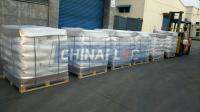
337_small.jpg "Replacement of cationic polyacrylamide PRAESTOL 851 from chinafloc")