

Our Products

Polyacrylamide / ZETAG 8167 DK Equivalent model can be replaced by Chinafloc C6013
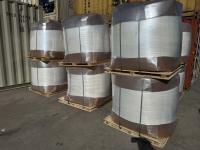
Application of Cationic Polyacrylamide ZETAG 8167 DK
ZETAG 8167 DK is a high-performance cationic polyacrylamide (CPAM) flocculant supplied in dry powder form and engineered for efficient solid–liquid separation, sludge dewatering, and wastewater clarification. It features high molecular weight and medium-to-high cationic charge density, enabling strong electrostatic neutralization and effective polymer bridging. Due to its excellent adaptability to different water qualities, low dosage requirement, and strong floc structure, ZETAG 8167 DK is widely applied in municipal wastewater treatment, industrial effluent processing, papermaking, food production, mining, and oilfield wastewater treatment.
1. Municipal Wastewater Treatment
One of the most important application areas of ZETAG 8167 DK is municipal sewage and sludge treatment. Domestic wastewater contains large amounts of negatively charged colloidal organic matter, suspended solids, microorganisms, and fine particles that are difficult to settle through gravity alone. ZETAG 8167 DK neutralizes these surface charges and promotes rapid aggregation through polymer bridging, forming large, dense, and fast-settling flocs.
In primary and secondary clarification, ZETAG 8167 DK significantly improves:
-
Total suspended solids (TSS) removal
-
Turbidity reduction
-
Clarifier settling speed
-
Effluent stability for biological treatment
In sludge conditioning systems, ZETAG 8167 DK is dosed before belt filter presses, centrifuges, screw presses, and plate-and-frame presses. It breaks the hydration layer around sludge particles, releases bound water, and forms shear-resistant flocs. This leads to higher sludge cake dryness, reduced sludge volume, lower disposal costs, and increased operational efficiency of dewatering equipment.
2. Industrial Wastewater Treatment
ZETAG 8167 DK is extensively used in treating wastewater from textile and dyeing, chemical manufacturing, pharmaceutical production, electroplating, leather processing, metallurgy, and food processing industries, where wastewater composition is often complex and highly polluted.
Textile and Dyeing Industry
Textile wastewater contains a high concentration of reactive dyes, surfactants, fine fibers, and auxiliary chemicals. ZETAG 8167 DK effectively captures anionic dyes and fiber fines through strong charge attraction, achieving rapid decolorization and turbidity reduction. This significantly improves the performance and stability of downstream biological treatment and helps facilities comply with discharge standards.
Electroplating and Metal Processing
Electroplating wastewater typically contains heavy metals such as nickel, chromium, zinc, and copper. After chemical precipitation, fine metal hydroxide particles remain difficult to settle. ZETAG 8167 DK aggregates these particles into compact flocs, enhancing sedimentation and filtration performance while ensuring low residual metal concentration in treated effluent.
Chemical and Pharmaceutical Industry
Chemical and pharmaceutical effluents contain fine organic solids, emulsified substances, solvents, and colloids. ZETAG 8167 DK improves solid–liquid separation efficiency, reduces toxicity and COD loading to downstream units, and stabilizes the overall wastewater treatment system.
3. Sludge Dewatering and Conditioning
Sludge dewatering is one of the most valuable and widely recognized applications of ZETAG 8167 DK. Activated sludge and industrial mixed sludge contain large amounts of bound water held by negatively charged organic matter. Without proper polymer conditioning, mechanical dewatering efficiency is limited.
ZETAG 8167 DK works through several key mechanisms:
-
Charge neutralization of sludge particles
-
Destruction of the hydration shell
-
Formation of compact, high-strength flocs
These effects result in:
-
Faster filtration and centrifugation rates
-
Higher dry solids content in sludge cake
-
Reduced polymer dosage per ton of dry sludge
-
Improved throughput and stability of dewatering equipment
ZETAG 8167 DK performs effectively on a wide variety of sludge types, including activated sludge, biological sludge, oily sludge, and mixed industrial sludge.
4. Papermaking and Pulp Industry
The papermaking industry is one of the largest users of cationic polyacrylamides. ZETAG 8167 DK is widely applied as:
-
A retention aid
-
A drainage aid
-
A papermaking sludge dewatering agent
During paper formation, fine fibers, fillers such as calcium carbonate and clay, and various additives tend to escape with the white water. ZETAG 8167 DK significantly improves first-pass retention, enhances drainage speed on the wire section, and contributes to better paper strength, formation uniformity, and surface quality.
In papermaking sludge treatment, ZETAG 8167 DK improves sludge thickening and dewatering efficiency, reduces energy consumption during drying, and lowers the cost of sludge transportation and final disposal.
5. Food and Beverage Industry
Wastewater from brewery, dairy, sugar, starch, beverage, and meat processing industries is rich in organic matter such as proteins, fats, oils, suspended solids, and carbohydrates. ZETAG 8167 DK effectively flocculates and separates these contaminants, producing clear effluent with reduced COD and turbidity.
In dissolved air flotation (DAF) systems, ZETAG 8167 DK is commonly used in combination with inorganic coagulants such as polyaluminum chloride (PAC) or aluminum sulfate. This combination enhances bubble attachment, improves flotation efficiency, and produces stable scum for easy removal.
6. Mining and Mineral Processing
In the mining industry, ZETAG 8167 DK is applied in:
-
Tailings thickening
-
Mineral slurry clarification
-
Process water recycling
Fine mineral particles carry strong negative charges and remain suspended for extended periods without chemical treatment. ZETAG 8167 DK rapidly aggregates these particles into dense flocs, producing high-density underflow and clean overflow water that can be reused in production. This reduces freshwater consumption, stabilizes tailings storage, and supports environmentally responsible mining operations.
7. Oilfield and Drilling Wastewater
In oil and gas production, ZETAG 8167 DK is used for the treatment of:
-
Produced water
-
Drilling fluid wastewater
-
Refinery oily wastewater
It effectively removes fine suspended solids, clay particles, polymer residues, and emulsified oil droplets. This improves oil–water separation efficiency, reduces fouling in downstream systems, and ensures that treated water meets reuse or discharge standards.
8. Key Advantages of ZETAG 8167 DK
ZETAG 8167 DK provides multiple technical and economic advantages:
-
High flocculation efficiency at low dosage
-
Strong, compact, and fast-settling flocs
-
Excellent sludge dewatering performance
-
Wide adaptability to different wastewater compositions and pH ranges
-
Good compatibility with inorganic coagulants and flotation systems
-
Reduced operating, drying, and sludge disposal costs
Conclusion
ZETAG 8167 DK is a versatile and high-efficiency cationic polyacrylamide flocculant with outstanding performance in municipal wastewater treatment, industrial effluent clarification, sludge dewatering, papermaking, food processing, mining, and oilfield water treatment. Its strong charge neutralization ability, high molecular weight polymer structure, and excellent water-release characteristics enable it to significantly improve solid–liquid separation efficiency, reduce chemical consumption, and lower overall operating costs. With increasingly strict environmental regulations and growing demand for sustainable water and sludge management, ZETAG 8167 DK remains a reliable and cost-effective solution for modern water treatment systems.