

Our Products

Polyacrylamide / PRAESTOL LT27 anionic polyacrylamide totally be replaced by Chinafloc A
Application of PRAESTOL LT27 Anionic Polyacrylamide
PRAESTOL LT27 is a high–molecular weight anionic polyacrylamide (APAM) flocculant produced by Solenis (formerly Stockhausen). It is designed for demanding solid–liquid separation, clarification, thickening, and sludge dewatering applications, especially in systems dominated by inorganic suspended solids and mineral particles. With its anionic charge density and long polymer chain, PRAESTOL LT27 provides excellent polymer bridging performance, creating large, fast-settling flocs with strong structural integrity.
PRAESTOL LT27 is widely applied across municipal and industrial water treatment, mining and mineral processing, papermaking, oilfield water treatment, and large construction and infrastructure projects. Its high efficiency, low dosage requirement, and wide pH adaptability make it a preferred flocculant for many technically demanding treatment processes.
1. Municipal Water Treatment Applications
One of the primary applications of PRAESTOL LT27 is in municipal raw water purification, where it is used as a coagulant aid together with inorganic coagulants such as polyaluminum chloride (PAC), aluminum sulfate (alum), and ferric salts. Source water typically contains suspended clay, silt, algae, and fine colloidal particles that remain stable in water due to surface charges.
After the inorganic coagulant neutralizes these surface charges, PRAESTOL LT27 promotes the formation of larger, stronger flocs through polymer bridging, resulting in:
-
Faster sedimentation and shorter clarification time
-
Lower turbidity in treated water
-
Improved filtration efficiency
-
Reduced filter backwash frequency
-
More stable operation under fluctuating raw water quality
PRAESTOL LT27 is also widely used for thickening and dewatering of drinking-water treatment sludge, which consists mainly of mineral flocs and metal hydroxides. It significantly improves sludge handling efficiency and reduces overall disposal costs.
2. Municipal and Industrial Wastewater Treatment
PRAESTOL LT27 plays a major role in municipal and industrial wastewater treatment, particularly where suspended solids consist mainly of inorganic or mineral particles. Typical wastewater sources include:
-
Sand and gravel washing plants
-
Stone and quarry processing effluent
-
Ceramic and porcelain factory wastewater
-
Glass manufacturing wastewater
-
Power plant flue gas desulfurization (FGD) wastewater
-
Steel and metallurgical industry wastewater
-
Construction muddy water and tunneling slurry
In these systems, PRAESTOL LT27 rapidly aggregates fine sand, clay, ash, lime sludge, and metal hydroxide particles, producing compact flocs that settle quickly and generate clear supernatant water. This leads to:
-
Significant reduction of total suspended solids (TSS)
-
Lower turbidity and particulate COD
-
Reduced equipment fouling and pipeline blockage
-
Stable compliance with discharge regulations
In dissolved air flotation (DAF) systems, PRAESTOL LT27 is often used together with PAC or ferric salts to enhance microfloc formation and flotation efficiency, especially for wastewater containing fine mineral particles and dispersed solids.
3. Sludge Thickening and Mechanical Dewatering
Another critical application area for PRAESTOL LT27 is sludge conditioning, thickening, and mechanical dewatering. It is particularly effective for:
-
Primary municipal sludge
-
Chemically precipitated sludge
-
Lime and gypsum sludge
-
Metal hydroxide sludge
-
Mixed municipal–industrial sludge
PRAESTOL LT27 is compatible with all major dewatering systems, including:
-
Gravity thickeners
-
Rotary drum thickeners
-
Belt filter presses
-
Decanter centrifuges
-
Plate-and-frame filter presses
Because of its high molecular weight and strong bridging ability, PRAESTOL LT27 forms large, porous, and shear-resistant flocs. These flocs release water efficiently under mechanical force, resulting in:
-
Higher dry solids content in sludge cake
-
Lower filtrate turbidity
-
Reduced polymer dosage
-
Lower energy consumption during dewatering
-
Reduced transportation and disposal costs
Since PRAESTOL LT27 is an anionic polymer, it performs best when sludge has already been charge-neutralized by metal salts, allowing the polymer to function primarily as a bridging agent.
4. Mining and Mineral Processing Industry
PRAESTOL LT27 is extensively used in mining and mineral beneficiation operations, where efficient solid–liquid separation is essential for productivity, water conservation, and environmental compliance. It is widely applied in the processing of:
-
Coal
-
Iron ore
-
Copper
-
Gold
-
Bauxite
-
Phosphate
-
Silica sand and industrial minerals
Its main functions include:
-
Tailings thickening
-
Clarification of circulating process water
-
Concentrate dewatering
-
Backfill slurry preparation
Fine mineral particles are naturally slow to settle due to their small size and surface charges. PRAESTOL LT27 rapidly bridges these particles into large flocs, enabling fast sedimentation and generation of clear overflow water. This supports:
-
Efficient recycling of process water
-
Reduced tailings dam load
-
Improved operational stability
-
Strong environmental protection performance
5. Papermaking and Pulp Industry
In the paper and pulp industry, PRAESTOL LT27 is used primarily as a retention and drainage aid, especially in paper grades with high mineral filler content.
It provides the following benefits:
-
Improved retention of fibers and fillers such as calcium carbonate and kaolin
-
Faster drainage on the wire section
-
Reduced white water solids concentration
-
Improved paper formation, uniformity, and strength
-
Higher paper machine speed and productivity
PRAESTOL LT27 is widely applied in the manufacture of packaging paper, corrugated paper, tissue paper, cultural paper, and industrial specialty papers, helping papermakers improve quality while reducing wastewater pollutant load.
6. Oilfield and Energy Industry Applications
In the oil and gas industry, PRAESTOL LT27 is applied for:
-
Drilling wastewater clarification
-
Separation of clay and drill cuttings
-
Produced water solid removal
-
Refinery wastewater primary clarification
It effectively aggregates inorganic solids and fine suspended particles, improving sedimentation and enabling water recycling, reinjection, and regulatory discharge compliance.
7. Construction, Tunneling, and Infrastructure Projects
Large construction and underground engineering projects generate massive volumes of slurry wastewater containing cement, bentonite, clay, and fine sand. PRAESTOL LT27 is widely used in:
-
Shield tunneling slurry separation
-
Pile foundation wastewater treatment
-
Subway, tunnel, and metro slurry systems
-
Bridge and deep excavation construction projects
It rapidly clarifies muddy water, allowing for water reuse, reduced sediment disposal volume, improved working conditions, and increased construction efficiency.
8. Key Advantages of PRAESTOL LT27
PRAESTOL LT27 offers several important technical and commercial advantages:
-
Very high molecular weight for strong flocculation
-
Excellent performance in mineral-rich wastewater
-
Fast settling and clear supernatant
-
Low operating dosage
-
Wide pH adaptability
-
Strong compatibility with PAC, alum, and ferric salts
-
Stable performance under fluctuating water conditions
Conclusion
PRAESTOL® LT27 Anionic Polyacrylamide is a high-performance flocculant specifically designed for inorganic solid–liquid separation, clarification, and sludge dewatering. Its main applications include municipal and industrial wastewater treatment, drinking water clarification, mining and mineral processing, papermaking, oilfield water treatment, and construction slurry separation. By offering strong polymer bridging, fast floc formation, and excellent settling performance, PRAESTOL LT27 significantly improves treatment efficiency, reduces operational costs, supports water recycling, and ensures environmental compliance. Its wide adaptability and reliable performance make it one of the most dependable anionic flocculants in modern industrial and environmental engineering.
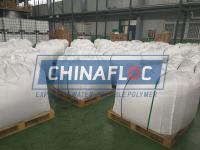
984_small.jpg "The equivalent of ZETAG 4145 anionic polyacrylamide from Chinafloc")