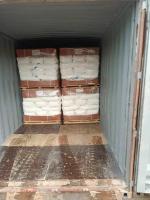
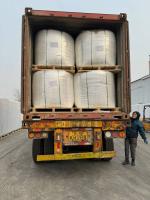
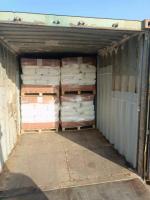
Our Products
Polyacrylamide / Cationic polyacrylamide AGEFLOC 1072-AP can be repalced by Chinafloc C1514
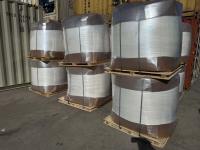


AGEFLOC 1072-AP is a high-performance cationic polyacrylamide (CPAM) flocculant widely used in wastewater treatment, sludge dewatering, papermaking, industrial effluent clarification, and solid–liquid separation processes. It is typically characterized by medium to high charge density and high molecular weight, enabling it to effectively neutralize negatively charged suspended particles and form strong, fast-settling flocs. Due to its excellent flocculation performance, low dosage requirement, and wide pH adaptability, AGEFLOC 1072-AP is used across municipal and industrial sectors worldwide.
One of the most important applications of AGEFLOC 1072-AP is in municipal sewage treatment plants. Domestic wastewater contains large amounts of negatively charged organic colloids, suspended solids, bacteria, and fine particulate matter. AGEFLOC 1072-AP works by charge neutralization and polymer bridging, enabling fine particles to agglomerate into large, settleable flocs.
In primary and secondary treatment stages, AGEFLOC 1072-AP is used to:
Improve sedimentation efficiency
Enhance clarifier performance
Reduce effluent turbidity
Lower total suspended solids (TSS)
In sludge handling systems, it is applied before belt filter presses, centrifuges, and screw presses to condition sludge. The formed flocs show strong mechanical strength and water-release ability, significantly increasing sludge cake dryness, reducing transportation costs, and minimizing disposal volume.
AGEFLOC 1072-AP plays a critical role in treating wastewater from multiple industries including textile, dyeing, chemical, electroplating, food processing, pharmaceutical, leather, and metallurgy sectors.
Textile wastewater typically contains reactive dyes, pigments, surfactants, and high COD levels. AGEFLOC 1072-AP efficiently removes:
Colored compounds
Fine fibers
Auxiliaries and dispersed particles
Its cationic charge strongly binds with anionic dyes, allowing rapid decolorization and clarification.
Heavy metals such as Cu²⁺, Zn²⁺, Ni²⁺, and Cr³⁺ exist in colloidal or complexed forms. AGEFLOC 1072-AP enhances floc formation after chemical precipitation, ensuring:
High removal efficiency of metal hydroxides
Low residual metal concentration in treated water
Improved compliance with environmental discharge standards
These effluents often contain fine organic solids and micro-colloids. AGEFLOC 1072-AP promotes fast solid–liquid separation and improves downstream biological treatment efficiency by lowering toxic load.
Sludge dewatering is one of the most valuable applications of AGEFLOC 1072-AP. Sludge from municipal and industrial wastewater contains large amounts of bound water held by negatively charged organic matter. Without conditioning, filtration and centrifugation efficiency remains low.
AGEFLOC 1072-AP:
Neutralizes surface charge of sludge particles
Breaks the hydration shell around solids
Creates large, dense, and shear-resistant flocs
As a result, benefits include:
Higher dry solids content in sludge cake
Lower polymer consumption per ton of dry sludge
Reduced filtration resistance
Improved equipment throughput
It is suitable for:
Belt filter presses
Centrifugal dewatering
Plate and frame presses
Screw press dewatering systems
The paper industry is a major user of cationic polyacrylamide. AGEFLOC 1072-AP is widely applied as:
Retention aid
Drainage aid
Sludge dewatering agent
During paper formation, fine fibers, fillers (such as calcium carbonate and clay), and sizing agents tend to escape with white water. AGEFLOC 1072-AP enhances:
First-pass retention
Filler distribution uniformity
Paper strength properties
This improves raw material utilization, reduces white water load, and lowers pollution discharge.
The high organic content in paper sludge makes dewatering challenging. AGEFLOC 1072-AP improves:
Filtration speed
Sludge cake consistency
Energy efficiency in thermal drying
Wastewater from breweries, sugar factories, dairies, slaughterhouses, and starch plants is rich in organic matter, proteins, fats, and suspended solids. AGEFLOC 1072-AP enables:
Rapid clarification of wastewater
Efficient separation of fat and suspended solids
Reduction of COD, BOD, and turbidity before biological treatment
In dissolved air flotation (DAF) systems, it is often combined with coagulants such as PAC or alum to enhance flotation performance.
In mining operations, AGEFLOC 1072-AP is used for:
Tailings thickening
Process water clarification
Slurry dewatering
Fine mineral particles carry negative surface charges that prevent natural settling. AGEFLOC 1072-AP rapidly agglomerates these particles, producing:
Faster sedimentation rates
Higher underflow density
Clear supernatant water for reuse
This reduces freshwater consumption, improves tailings management, and enhances environmental protection.
In oil and gas extraction, AGEFLOC 1072-AP is used in:
Produced water treatment
Drilling fluid wastewater clarification
Oil–water separation processes
It effectively removes:
Fine suspended solids
Emulsified oil droplets
Clay particles and polymer residues
This ensures that recycled water meets operational reuse standards and discharge regulations.
AGEFLOC 1072-AP offers several industrial advantages:
High flocculation efficiency at low dosage
Strong adaptability across wide pH range
Formation of fast-settling, compact flocs
Excellent sludge dewatering performance
Cost-effective and easy to dissolve and feed
Compatible with inorganic coagulants and flotation systems
The recommended dosage generally ranges from 1–10 ppm, depending on:
Water turbidity
Sludge concentration
Equipment type
Wastewater composition
It is typically prepared as a 0.1–0.3% aqueous solution, aged for sufficient hydration time before dosing to ensure optimal polymer chain expansion and effectiveness.