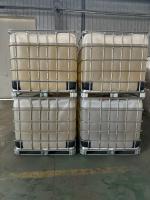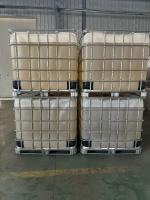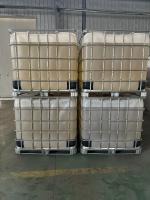


Our Products

coagulant / Best price of polyamine|best quality of polyamine|polyamine HS code
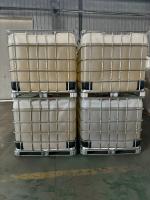
Application of Polyamine and HS Code Classification (Approx. 900+ words)
Polyamine refers to a class of cationic organic polymers containing multiple amine functional groups along the molecular backbone. In industrial practice, it is typically produced through the polymerization of epichlorohydrin with dimethylamine (EPI-DMA system) or related amine-based chemistries. The resulting product is a water-soluble, highly charged cationic polymer widely used as a primary coagulant or coagulant aid. Its main function is charge neutralization of negatively charged colloids, suspended solids, and dissolved organic matter in aqueous systems. Due to its strong electrostatic interaction, polyamine is particularly effective in low-turbidity, high-organic-load, and difficult-to-settle wastewater systems.
1. Application of Polyamine in Water Treatment
1.1 Municipal wastewater treatment
One of the largest application areas for polyamine is municipal sewage treatment plants. In these systems, polyamine is used during primary and secondary clarification to improve solid–liquid separation. It helps destabilize colloidal particles and enhances floc formation, which improves sedimentation efficiency.
Key functions include:
- Reduction of suspended solids (SS)
- Reduction of turbidity
- Partial removal of COD (chemical oxygen demand)
- Improvement of sludge dewatering performance
Polyamine is often used in combination with inorganic coagulants such as PAC (polyaluminium chloride) to achieve synergistic effects.
1.2 Industrial wastewater treatment
Polyamine is widely used in industrial effluents with complex composition, including:
- Textile wastewater
- Papermaking wastewater
- Petrochemical wastewater
- Food processing wastewater
- Printing and dyeing effluents
In these systems, polyamine plays a critical role in destabilizing emulsified oils, dyes, and fine suspended particles. It is particularly effective in low-dosage, high-efficiency treatment systems.
Advantages:
- Works in wide pH range (typically pH 4–10)
- Rapid floc formation
- Low sludge volume compared to inorganic coagulants
- Effective in high COD wastewater pre-treatment
1.3 Drinking water and potable water clarification
In potable water treatment plants, polyamine is used as a primary coagulant or coagulant aid. It improves removal of natural organic matter (NOM), humic acids, and fine clay particles.
Benefits include:
- Lower residual aluminum compared to alum-based systems
- Improved filtration performance
- Reduced disinfection by-product formation
However, dosage must be strictly controlled to meet drinking water safety standards.
1.4 Papermaking industry
The paper industry is one of the most important users of polyamine. It is applied in wet-end chemistry to improve retention and drainage.
Functions include:
- Retention aid for fiber and fillers (CaCO₃, kaolin)
- Improvement of paper formation and strength
- Reduction of anionic trash in pulp systems
- Enhancement of machine runnability
Polyamine is often combined with anionic PAM in a dual polymer system.
1.5 Sludge dewatering
Polyamine is frequently used as a sludge conditioning agent before mechanical dewatering (belt press, centrifuge, filter press).
Advantages:
- Improves floc strength
- Reduces bound water content
- Enhances cake dryness
- Reduces polymer consumption when used as a pre-conditioner before cationic PAM
1.6 Mining and mineral processing
In mining operations, polyamine is used for solid–liquid separation in:
- Coal washing
- Tailings treatment
- Mineral beneficiation (iron ore, phosphate, bauxite)
It helps accelerate sedimentation of fine mineral particles and improves clarity of process water recycling.
1.7 Oil and gas industry
In oilfield operations, polyamine is used in:
- Produced water treatment
- Drilling mud clarification
- Enhanced oil recovery water management
It is effective in breaking oil-in-water emulsions when used with demulsifiers.
1.8 Cooling water and industrial circulation systems
Polyamine is used in cooling water treatment systems to control suspended solids and microbial-related deposits. It helps maintain system cleanliness and improves heat exchange efficiency.
2. Key Advantages of Polyamine
- High cationic charge density
- Fast reaction kinetics
- Effective at low dosage
- Works over broad pH range
- Compatible with inorganic coagulants and anionic polymers
- Low sludge production compared with alum/ferric salts
3. HS Code of Polyamine
3.1 General classification principle
Polyamine does not have a single universal HS code because classification depends on:
- Molecular structure (polymeric amine, epichlorohydrin-dimethylamine polymer, etc.)
- Solid or liquid form
- Concentration and formulation
- Intended industrial use
However, in international trade practice, polyamine is generally classified under chemical polymers containing amine functional groups used as flocculants/coagulants.
3.2 Most commonly used HS codes
(1) HS Code 3824.99
- Description: Chemical products and preparations not elsewhere specified or included
- Most commonly used code for polyamine liquid products
This is the most widely accepted classification for:
- Liquid polyamine coagulants
- EPI-DMA based polymers
- Water treatment polymer blends
Typical label:
3824.99.96 / 3824.99.93 (country-specific extensions)
(2) HS Code 3906.90
- Description: Acrylic polymers in primary forms (including cationic polymers in some jurisdictions)
Used in some countries when polyamine is treated as:
- Synthetic polymer in primary liquid form
- Copolymer structure involving amine-based acrylic derivatives
(3) HS Code 2921.11 / 2921.19 (less common)
- Description: Amine compounds and their derivatives
- Sometimes used for raw amine intermediates, not finished polyamine polymers
This is usually not used for commercial polyamine products, but for upstream chemicals.
3.3 Practical trade classification summary
In real import/export documentation:
-
Liquid polyamine (water treatment grade):
→ Usually 3824.99 -
Customized polymer blends (polyamine + PAC + additives):
→ Still typically 3824.99 -
Raw amine intermediates:
→ 2921 series -
Polymeric resin-like formulations in some jurisdictions:
→ 3906.90
3.4 Customs and regulatory note
HS code assignment can vary depending on:
- Country customs interpretation (EU, US, China, ASEAN differences)
- Product composition and SDS declaration
- Solid content and polymer structure
- Whether it is marketed as “coagulant”, “flocculant”, or “chemical intermediate”
Therefore, exporters often confirm HS code with:
- Local customs broker
- Importing country tariff database
- Product Safety Data Sheet (SDS)
4. Conclusion
Polyamine is a highly efficient cationic polymer widely used in water treatment, paper manufacturing, mining, oilfield operations, and industrial wastewater management. Its main function is charge neutralization and floc formation, enabling rapid solid–liquid separation across diverse industries. From a trade classification perspective, the most commonly used HS code for finished commercial polyamine products is 3824.99, while alternative classifications may apply depending on formulation and jurisdiction.