Our Products
coagulant / Biggest polyamine manufacturer in China|top leading supplier of polyamine
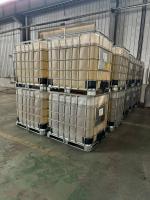



Polyamine is a widely used organic polymer coagulant in water and wastewater treatment. It belongs to the class of cationic (positively charged) polymers and is typically produced through the polymerization of amines such as dimethylamine and epichlorohydrin. Due to its high cationic charge density and relatively low molecular weight compared to polyacrylamide, polyamine plays a critical role in destabilizing suspended particles and improving solid-liquid separation processes. Its functions in water treatment can be understood through several key mechanisms and application areas.
First and foremost, the primary function of polyamine is charge neutralization. Most impurities in water—such as colloidal particles, clay, organic matter, algae, and bacteria—carry negative surface charges. These charges cause particles to repel each other, preventing aggregation and settling. When polyamine is added to water, its positively charged functional groups neutralize the negative charges on these particles. This reduces electrostatic repulsion and allows particles to come closer together. As a result, microflocs begin to form, which is the first step in the coagulation process.
Another important function of polyamine is coagulation enhancement. In conventional water treatment systems, inorganic coagulants such as aluminum sulfate (alum) or ferric chloride are commonly used. However, these chemicals may require high dosages and generate large volumes of sludge. Polyamine acts as an efficient coagulant aid or even a primary coagulant in some systems. It enhances the performance of inorganic coagulants by improving floc formation, reducing chemical consumption, and lowering sludge production. In many cases, the combination of polyamine with inorganic salts results in faster settling rates and clearer supernatant water.
Polyamine also contributes to floc formation and aggregation, although this is not its strongest property compared to high molecular weight flocculants like polyacrylamide. Due to its moderate molecular weight, polyamine can provide some degree of bridging between particles, helping to form denser and more compact flocs. These flocs are easier to separate through sedimentation, flotation, or filtration processes. The compact nature of the flocs also improves dewatering efficiency in sludge treatment systems.
A key application of polyamine is in drinking water treatment. It is commonly used in raw water clarification to remove turbidity, color, and natural organic matter. Polyamine is particularly effective in treating water with high levels of humic and fulvic acids, which are negatively charged organic compounds responsible for color and taste issues. By removing these substances, polyamine helps improve water clarity and reduces the formation of disinfection by-products (DBPs) during chlorination. Its relatively low toxicity and good biodegradability make it suitable for potable water applications when used within regulated limits.
In wastewater treatment, polyamine is extensively used for treating industrial effluents and municipal sewage. It is effective in removing suspended solids, chemical oxygen demand (COD), biological oxygen demand (BOD), and oils. For example, in industries such as textile dyeing, paper manufacturing, food processing, and petrochemicals, wastewater often contains finely dispersed particles and emulsified oils. Polyamine destabilizes these contaminants, enabling their removal through coagulation and sedimentation. This leads to improved effluent quality and compliance with environmental discharge standards.
Polyamine also plays an important role in sludge conditioning and dewatering. Although high molecular weight cationic polyacrylamide is typically the primary flocculant used for sludge dewatering, polyamine can be used as a pre-treatment agent. It helps neutralize the negative charges of sludge particles and releases bound water, making the sludge more amenable to flocculation. When used in combination with polyacrylamide, polyamine can significantly improve dewatering performance, resulting in higher cake solids and reduced sludge volume.
Another significant function of polyamine is in dissolved air flotation (DAF) systems. In DAF processes, fine air bubbles are introduced into the water to float suspended solids and oils to the surface. Polyamine enhances this process by forming strong, hydrophobic flocs that readily attach to air bubbles. This improves flotation efficiency and allows for the effective removal of low-density contaminants such as grease, fats, and algae.
Polyamine is also used for color removal in wastewater, especially in textile and dyeing industries. Many dyes are negatively charged and resistant to biodegradation. Polyamine interacts with these dye molecules through electrostatic attraction and forms insoluble complexes that can be removed by coagulation. This makes it an effective decolorizing agent and helps industries meet strict discharge regulations for color and organic pollutants.
In addition, polyamine contributes to phosphorus removal. In wastewater containing phosphates, polyamine can assist in the coagulation process by interacting with negatively charged phosphate ions and facilitating their removal as part of the floc. Although it is not as commonly used as metal salts for phosphorus removal, it can enhance overall treatment efficiency when used in combination systems.
From an operational perspective, polyamine offers several advantages. It is typically supplied as a liquid product, making it easy to handle and dose. It works effectively over a wide pH range and does not significantly alter the pH of treated water. Compared to inorganic coagulants, polyamine produces less sludge and generates flocs that are easier to dewater. It also reduces the need for pH adjustment chemicals, which can lower overall treatment costs.
However, proper dosage control is essential. Overdosing polyamine can lead to charge reversal, where particles become positively charged and restabilize in the water, reducing treatment efficiency. Therefore, jar testing and process optimization are necessary to determine the optimal dosage for specific water conditions.
In summary, the function of polyamine in water treatment revolves around its strong cationic charge and ability to neutralize negatively charged contaminants. It serves as an effective coagulant and coagulant aid, enhancing particle destabilization, floc formation, and solid-liquid separation. Its applications span drinking water treatment, industrial wastewater treatment, sludge conditioning, flotation systems, and color removal. With its versatility, efficiency, and operational benefits, polyamine remains an essential chemical in modern water treatment processes.
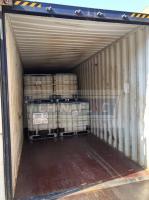
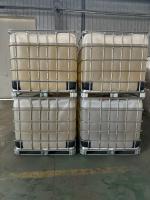
212_small.jpg "polyamine used for Drinking water clarification|polyamine 50%")