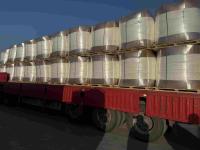
ALCLAR-661 SSK is a specialized anionic polyacrylamide flocculant formulated for high-efficiency solid–liquid separation in water treatment, industrial effluents, and mineral-processing systems. It is engineered with a high molecular weight and optimized anionic charge density, enabling superior particle-bridging performance, rapid floc formation, and consistent settling outcomes in challenging aqueous environments. Because many raw waters and industrial slurries contain fine clays, metal hydroxides, organic colloids, or mineral fines, ALCLAR-661 SSK is widely applied where high clarity, improved sludge characteristics, and operational stability are required. Its broad tolerance for varying pH, salinity, suspended-solids concentrations, and water temperatures makes it suitable for a wide range of industries.
1. Municipal Water Treatment and Surface Water Clarification
One of the primary application areas of ALCLAR-661 SSK is municipal water treatment. In raw surface waters containing turbidity, humic substances, seasonal algae, clay particles, or biological contaminants, sedimentation performance can be inconsistent when relying solely on inorganic coagulants. When ALCLAR-661 SSK is used as a coagulant aid or secondary flocculant, it transforms fine microflocs into large, dense, quickly settling aggregates. This significantly improves sedimentation basin performance, reduces turbidity in the clarified water, and enhances the overall efficiency of downstream sand filters or membrane systems.
In regions where river water, reservoir water, or lake water displays strong seasonal variation—such as sudden increases in organic content or fine suspended solids—ALCLAR-661 SSK stabilizes process performance by compensating for the fluctuations. It also reduces the required dosage of alum, PAC, or ferric salts, lowering chemical consumption and minimizing sludge generation. As a result, many municipal plants adopt ALCLAR-661 SSK for consistent, economical drinking-water production.
2. Industrial Wastewater Treatment
Industrial operations generate wastewater streams containing both inorganic and organic contaminants. ALCLAR-661 SSK plays a crucial role in helping such facilities comply with discharge regulations by enabling rapid clarification and separating suspended solids from the liquid phase. It is commonly applied in:
-
Textile wastewater, where dyes, pigments, and fiber particulates need aggregation.
-
Paper mill effluent, containing lignin, fines, and fiber fragments.
-
Chemical and petrochemical wastewater, where colloidal solids, polymer residues, or oil-associated particulates must be removed.
-
Food and beverage wastewater, containing organic particles, starches, proteins, and fibrous matter.
In these applications, ALCLAR-661 SSK enhances the efficiency of settling tanks, clarifiers, dissolved air flotation (DAF) units, and lamella separators. It strengthens floc size, improves floatation or settling rates, and ensures that the supernatant achieves targets for turbidity, suspended solids, and color. In many systems, it also improves sludge dewaterability, resulting in reduced volume and lower disposal costs.
3. Mining and Mineral Processing Applications
Mining is one of the most significant users of anionic polyacrylamide technologies, and ALCLAR-661 SSK is specifically designed for mineral-processing environments requiring reliable flocculation. Fine mineral particles are notoriously difficult to settle due to their small particle size, high surface charge, and hydrophilic character. ALCLAR-661 SSK overcomes these challenges by forming strong polymer bridges between particles.
Major mining applications include:
• Tailings Thickening
ALCLAR-661 SSK is widely used in tailings thickeners to increase underflow density and maximize water recovery. By producing larger, more uniform flocs, it allows thickeners to operate at higher loading rates. Water recovered from the overflow is typically recycled into grinding, flotation, or leaching circuits, reducing freshwater consumption.
• Process Water Clarification
Clean process water is essential for efficient flotation, leaching, and milling. ALCLAR-661 SSK clarifies recycled water streams, removing clays, silica fines, metal oxides, and processing residues.
• Alumina Refining and Red-Mud Settling
In the Bayer process, red-mud separation is critical for alumina production efficiency. ALCLAR-661 SSK improves liquor clarity, accelerates mud settling, and increases underflow solids concentration.
• Coal Washing and Dewatering
Coal preparation plants utilize ALCLAR-661 SSK in thickening and dewatering of fine coal slurries. The polymer enhances the recovery of fine coal particles and reduces moisture content in the final product.
• Base Metal and Precious Metal Processing
Operations involving copper, gold, nickel, zinc, and iron ore beneficiation benefit from the polymer’s strong performance under varied mineralogical conditions.
4. Sludge Thickening and Dewatering
Across municipal, industrial, and mining facilities, ALCLAR-661 SSK improves sludge handling by forming flocs that retain structure under shear yet release water efficiently. It is compatible with:
The result is higher cake solids, reduced polymer usage, and decreased sludge-handling costs.
5. Environmental and Construction-Site Water Treatment
Construction, dredging, and environmental remediation generate large volumes of sediment-laden water containing silts, clays, and erosion runoff. ALCLAR-661 SSK is applied to clarify stormwater, drilling fluids, trench effluent, and dewatering water. Its rapid floc formation enables efficient settling in sediment basins, retention ponds, and mobile treatment units.
Conclusion
ALCLAR-661 SSK is a versatile, high-performance anionic polyacrylamide used across drinking-water treatment, industrial wastewater clarification, mining and mineral processing, sludge handling, and environmental applications. Thanks to its strong floc-forming ability, wide adaptability, and consistent process improvements, it remains a preferred solution for operations requiring efficient, reliable solid–liquid separation.