Application of PRAESTOL LT27
PRAESTOL LT27 is a high-molecular-weight anionic polyacrylamide (APAM) flocculant developed for efficient solid–liquid separation in industrial and environmental treatment processes. It is widely used in mineral processing, alumina production, tailings management, industrial wastewater clarification, sludge thickening, and water recovery systems. Due to its strong polymer bridging ability and excellent settling performance, PRAESTOL LT27 is particularly effective in applications involving fine inorganic particles and mineral-rich suspensions.
1. Mineral Processing and Mining
The primary application of PRAESTOL LT27 is in mineral processing and mining operations, where efficient solid–liquid separation is critical for plant productivity, water reuse, and environmental compliance.
Key mining applications include:
-
Tailings thickening: PRAESTOL LT27 promotes rapid aggregation of fine tailings particles, increasing settling rates and producing high-density underflow.
-
Clarification of process water: Improves clarity of thickener overflow, allowing recycled water to be reused in grinding, flotation, and washing circuits.
-
Fine particle flocculation: Effective for finely ground ores such as iron ore, copper, gold, coal, phosphate, and bauxite residues.
Its high molecular weight allows strong polymer bridging between particles, forming large, stable flocs that settle quickly even at relatively low dosages.
2. Alumina Refining and Red Mud Treatment
PRAESTOL LT27 is widely applied in alumina refineries, especially in the Bayer process for red mud settling and washing.
Typical applications include:
-
Red mud thickening: Enhances sedimentation of fine red mud particles, increasing underflow density and improving thickener performance.
-
Counter-current decantation (CCD): Improves solid–liquid separation during washing stages, aiding recovery of caustic soda.
-
Overflow clarification: Produces low-turbidity liquor, improving process stability and reducing scaling risks.
PRAESTOL LT27 performs reliably under high alkalinity and elevated temperatures, making it suitable for harsh Bayer process conditions.
3. Industrial Wastewater Treatment
Another important application of PRAESTOL LT27 is in industrial wastewater treatment, particularly where wastewater contains inorganic solids or mineral suspensions.
Industries benefiting from PRAESTOL LT27 include:
-
Steel and metallurgical plants: Clarification of wastewater containing iron oxides, scale, and fine solids.
-
Power plants: Treatment of ash pond water, flue gas desulfurization (FGD) wastewater, and cooling water blowdown.
-
Chemical manufacturing: Removal of suspended inorganic solids from process effluents.
-
Stone, sand, and aggregate washing: Improves settling and water recycling efficiency.
In these applications, PRAESTOL LT27 acts primarily through polymer bridging, forming dense flocs that settle rapidly and generate clear supernatant.
4. Sludge Thickening Applications
PRAESTOL LT27 is commonly used in sludge thickening systems, where the goal is to increase solids concentration before dewatering or disposal.
Performance advantages include:
-
Faster settling rates in gravity thickeners
-
Higher underflow solids concentration
-
Reduced hydraulic load on downstream dewatering equipment
-
Improved thickener stability and throughput
It is particularly effective for inorganic or mineral-rich sludges, such as those produced in mining, metallurgy, and industrial clarification systems.
5. Water Recovery and Recycling
With increasing emphasis on water conservation, PRAESTOL LT27 plays an important role in water recovery and recycling systems.
Applications include:
-
Clarification of recycled process water: Produces low-turbidity water suitable for reuse.
-
Tailings pond water treatment: Enhances settling of fine solids, reducing environmental impact.
-
Closed-loop water systems: Improves water reuse efficiency and reduces fresh water consumption.
By improving water clarity and recovery rates, PRAESTOL LT27 supports sustainable and cost-effective plant operation.
6. Environmental and Operational Benefits
The application of PRAESTOL LT27 offers several environmental and economic advantages:
-
Low dosage requirement: High efficiency reduces overall polymer consumption.
-
Fast settling and clear overflow: Improves throughput and water quality.
-
Improved water reuse: Reduces freshwater demand and wastewater discharge.
-
Reduced sludge volume: Higher solids concentration lowers handling and disposal costs.
-
Reliable performance: Stable across a wide range of water chemistries and solids concentrations.
These benefits make PRAESTOL LT27 a preferred flocculant for large-scale industrial and mining operations.
7. Dosage and Handling Guidelines
-
Typical dosage:
-
Mining and mineral processing: 5–50 g per ton of dry solids
-
Industrial wastewater treatment: 0.1–5 mg/L
Actual dosage depends on particle size distribution, solids concentration, and water chemistry.
-
Preparation: Supplied as a dry powder, PRAESTOL LT27 should be properly dissolved and aged to ensure full polymer activation.
-
Application: Best added at a point of good mixing followed by gentle agitation to allow optimal floc growth.
-
Safety: Non-hazardous under normal industrial use; standard personal protective equipment is recommended.
Jar tests and on-site trials are strongly recommended to optimize dosing.
Conclusion
PRAESTOL LT27 is a high-performance anionic polyacrylamide flocculant widely applied in mineral processing, alumina refining, industrial wastewater treatment, sludge thickening, and water recovery systems. Its high molecular weight and strong bridging capability enable rapid settling, high underflow solids concentration, and excellent overflow clarity. By improving solid–liquid separation, enhancing water reuse, and reducing operating costs, PRAESTOL LT27 plays a vital role in modern, efficient, and environmentally responsible industrial treatment processes.

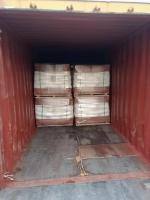
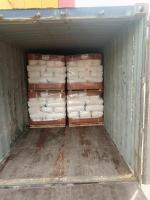
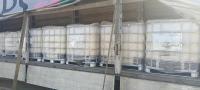
254_small.jpg "the substituation of PRAESTOL LT27 cationic polyacrylamide from Chinafloc")