

The Application of ALCLAR HP-21 Anionic Polyacrylamide
ALCLAR HP-21 anionic polyacrylamide is a high-molecular-weight flocculant designed for efficient solid–liquid separation in a wide range of industrial and municipal processes. With its optimized anionic charge density and extended polymer chain structure, ALCLAR HP-21 anionic polyacrylamide provides strong particle-bridging capability, rapid floc formation, and excellent settling performance. It is widely used in wastewater treatment, sludge thickening and dewatering, mining and mineral processing, alumina refining, and other clarification applications that require stable and cost-effective operation.
Municipal and Industrial Water Treatment
One of the primary applications of ALCLAR HP-21 anionic polyacrylamide is in municipal and industrial wastewater treatment plants. In primary and secondary clarification systems, ALCLAR HP-21 anionic polyacrylamide is typically applied after inorganic coagulants such as aluminum sulfate, ferric chloride, or polyaluminum chloride. Once the coagulant neutralizes the surface charges of suspended particles, ALCLAR HP-21 anionic polyacrylamide promotes aggregation through polymer bridging, forming large and dense flocs.
In municipal wastewater treatment, ALCLAR HP-21 anionic polyacrylamide improves suspended solids removal, reduces effluent turbidity, and enhances clarifier capacity. In industrial wastewater treatment—such as in chemical manufacturing, steel production, food processing, textile operations, and power generation—ALCLAR HP-21 anionic polyacrylamide effectively removes fine colloidal particles and inorganic solids that are difficult to settle by gravity alone. Its consistent performance supports stable effluent quality even under fluctuating flow and solids loading conditions.
Sludge Thickening Applications
ALCLAR HP-21 anionic polyacrylamide is widely used in sludge thickening processes to increase solids concentration prior to mechanical dewatering. In gravity thickeners and dissolved air flotation systems, ALCLAR HP-21 anionic polyacrylamide forms large, compact flocs that release free water efficiently. This results in higher thickened sludge solids and reduced sludge volume.
In municipal wastewater treatment plants, ALCLAR HP-21 anionic polyacrylamide is suitable for primary sludge, waste activated sludge, and mixed sludge. In industrial sludge applications, it performs well in thickening sludges containing mineral particles, fibers, or inorganic solids. Improved thickening efficiency achieved with ALCLAR HP-21 anionic polyacrylamide reduces downstream energy consumption and improves overall plant performance.
Mechanical Sludge Dewatering
A key application of ALCLAR HP-21 anionic polyacrylamide is in mechanical sludge dewatering equipment such as belt filter presses, centrifuges, screw presses, and chamber filter presses. When properly prepared and dosed, ALCLAR HP-21 anionic polyacrylamide conditions sludge by forming strong, shear-resistant flocs that withstand mechanical stress.
The use of ALCLAR HP-21 anionic polyacrylamide increases cake solids content, reduces filtrate turbidity, and improves dewatering throughput. In high-shear centrifuge operations, the polymer maintains floc integrity, resulting in stable operation and lower polymer consumption. Improved dewatering performance leads to reduced sludge transportation and disposal costs.
Mining and Mineral Processing
In mining and mineral processing industries, ALCLAR HP-21 anionic polyacrylamide plays an important role in tailings thickening, slurry clarification, and process water recovery. Fine mineral particles such as silica, clay, and metal oxides often remain suspended for extended periods due to their small particle size and surface charge. ALCLAR HP-21 anionic polyacrylamide effectively aggregates these particles into large flocs, accelerating settling and improving compaction.
In tailings thickeners, ALCLAR HP-21 anionic polyacrylamide increases underflow solids concentration and produces clear overflow water suitable for recycling. This reduces freshwater demand and supports sustainable mining operations. The product is also applied in high-density and paste thickening systems, where stable floc structure is critical for consistent underflow discharge.
Alumina Refining and Red Mud Treatment
A major industrial application of ALCLAR HP-21 anionic polyacrylamide is in alumina refining, particularly in red mud settling and washing circuits of the Bayer process. During bauxite digestion, fine red mud particles must be efficiently separated from sodium aluminate liquor.
ALCLAR HP-21 anionic polyacrylamide enhances red mud flocculation, resulting in faster settling rates, higher underflow density, and clearer overflow liquor. This improves washing efficiency, reduces caustic soda losses, and stabilizes thickener operation. In high-solids red mud disposal systems, ALCLAR HP-21 anionic polyacrylamide contributes to improved rheology and more efficient pumping or stacking of residue.
Sand Washing and Aggregate Processing
ALCLAR HP-21 anionic polyacrylamide is also widely used in sand washing and aggregate processing plants. During washing and classification, fine silt and clay particles become suspended in process water. ALCLAR HP-21 anionic polyacrylamide promotes rapid flocculation of these fines, allowing efficient settling in clarifiers and settling tanks.
This application improves water recycling efficiency, reduces the need for large settling ponds, and minimizes environmental discharge. At the same time, ALCLAR HP-21 anionic polyacrylamide enhances the quality of washed sand and aggregates by reducing residual fines content.
Conclusion
In conclusion, ALCLAR HP-21 anionic polyacrylamide is a versatile and high-performance flocculant used in municipal and industrial water treatment, sludge thickening and dewatering, mining and mineral processing, alumina refining, and aggregate washing. Its strong particle-bridging capability, reliable performance, and adaptability to diverse process conditions make ALCLAR HP-21 anionic polyacrylamide a preferred solution for demanding solid–liquid separation applications.
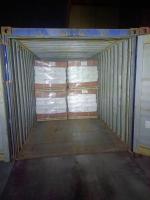
840_small.jpg "the replacement of ALCLAR HP-21 anionic polyacrylamide be replaced by Chinafloc A")
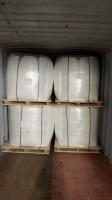
596_small.jpg "anionic polyacrylamide usedd for High-Solids Red Mud Thickeners / Residue Disposal Preparation")