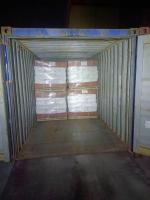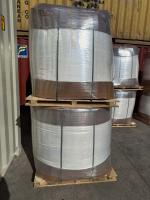


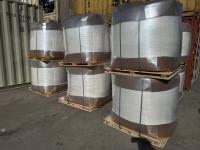
PRAESTOL 2640 is a high–molecular weight anionic polyacrylamide flocculant widely used in solid–liquid separation processes in mining, mineral processing, wastewater treatment, sludge management, and heavy industrial operations. It is designed with a strong anionic charge and long polymer chains, enabling excellent adsorption and bridging between fine suspended particles. Because of its reliable performance, chemical stability, and adaptability to harsh operating conditions, PRAESTOL 2640 is commonly selected for applications where efficient settling, thickening, and clarification are critical.
1. Application in Mining and Mineral Processing
One of the primary applications of PRAESTOL 2640 is in mining and mineral processing, especially in tailings thickening and clarification systems. During crushing, grinding, and flotation, large volumes of slurry containing ultra-fine mineral particles are produced. These fine particles are slow to settle naturally due to their small size and surface charge.
PRAESTOL 2640 adsorbs onto mineral particle surfaces and forms polymer bridges that bind particles together into larger, denser flocs. This significantly increases settling rates and improves thickener efficiency. In copper, gold, iron ore, coal, phosphate, and bauxite operations, PRAESTOL 2640 enhances underflow solids concentration while producing clearer overflow water. Improved water recovery allows mining operations to recycle process water efficiently, reducing freshwater consumption and minimizing tailings storage requirements.
2. Application in Alumina Refining and Red Mud Treatment
PRAESTOL 2640 is widely used in alumina refineries operating under the Bayer process, particularly in red mud settling, thickening, and washing circuits. Red mud is composed of extremely fine particles and is highly alkaline, making solid–liquid separation challenging.
Anionic polyacrylamide PRAESTOL 2640 performs effectively under high pH and elevated temperature conditions typical of alumina refining. When added to settlers or washers, it accelerates red mud settling, improves mud compaction, and enhances washing efficiency. Clearer overflow liquor is obtained, which improves recovery of sodium aluminate and reduces losses of caustic soda. These improvements help refineries maintain stable operation while lowering operating costs and environmental impact.
3. Application in Industrial Wastewater Treatment
In industrial wastewater treatment, PRAESTOL 2640 is applied to remove suspended solids, fine inorganic particles, and colloidal matter from effluents. Industries such as metallurgy, cement manufacturing, chemical processing, textiles, power generation, and building materials production rely on effective flocculation to meet discharge standards or enable water reuse.
PRAESTOL 2640 is often used in combination with inorganic coagulants such as aluminum sulfate, ferric chloride, or polyaluminum chloride. The coagulant neutralizes particle charges, while PRAESTOL 2640 promotes floc growth and strengthens floc structure through polymer bridging. This synergy improves sedimentation, dissolved air flotation (DAF), and filtration efficiency, resulting in lower turbidity, reduced sludge volume, and more stable wastewater treatment operation.
4. Application in Municipal Water Treatment
In municipal water treatment plants, PRAESTOL 2640 is used as a flocculant or flocculation aid for raw water clarification. It is particularly effective for surface water sources containing high levels of silt, clay, or fine suspended solids.
By forming large, shear-resistant flocs, PRAESTOL 2640 improves sedimentation performance and reduces the load on downstream filtration systems such as sand filters or membranes. This leads to longer filter run times, reduced backwashing frequency, and improved overall treatment efficiency and drinking water quality.
5. Application in Sludge Thickening and Dewatering
PRAESTOL 2640 is widely used as a sludge conditioning agent in both industrial and municipal sludge treatment. Sludges often contain fine particles and colloids that retain water and are difficult to dewater efficiently.
When applied prior to gravity thickening or mechanical dewatering, PRAESTOL 2640 enhances floc structure and promotes rapid release of free water. In belt filter presses, centrifuges, and filter presses, it increases cake solids content and improves filtrate clarity. Higher cake dryness reduces sludge volume, transportation requirements, and disposal costs, contributing to more economical sludge management.
6. Application in Energy and Power Industries
In the energy sector, PRAESTOL 2640 is used in coal-fired power plants for fly ash and bottom ash pond clarification. Ash particles are often fine and slow to settle, leading to large settling ponds and water loss. PRAESTOL 2640 accelerates ash settling and improves supernatant water clarity, enabling water reuse within the plant and reducing environmental discharge risks.
7. Performance Advantages and Benefits
PRAESTOL 2640 offers several operational advantages, including high flocculation efficiency at low dosage, rapid floc formation, strong floc strength, and good performance across a wide pH range. It is compatible with most inorganic coagulants and suitable for continuous, large-scale industrial use.
8. Conclusion
Anionic polyacrylamide PRAESTOL® 2640 is a versatile and high-performance flocculant with proven applications in mining, alumina refining, wastewater treatment, sludge dewatering, and power generation. By improving settling, thickening, and clarification efficiency, it supports water recovery, reduces operating costs, and enhances environmental compliance, making it an essential chemical in modern solid–liquid separation systems.