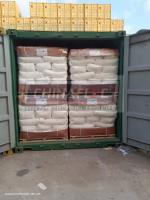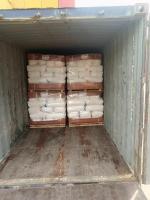


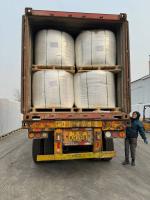
ALCLAR HP-20 is a high-performance anionic polyacrylamide flocculant formulated for demanding solid–liquid separation processes across municipal water treatment, industrial wastewater clarification, and mineral-processing operations. Its optimized molecular weight and anionic charge density enable it to agglomerate fine suspended solids, accelerate settling, and significantly improve clarity in systems that contain colloidal particles, organic contaminants, mineral fines, and metallic hydroxides. Because many water streams and slurry environments contain extremely fine and negatively charged particles that resist natural sedimentation, ALCLAR HP-20 is engineered to deliver consistent, predictable performance across a wide range of operating conditions.
1. Municipal Water Treatment and Drinking-Water Clarification
Municipal water plants rely on ALCLAR HP-20 to enhance the coagulation–flocculation process, especially when treating raw surface waters with high turbidity, color, and seasonal variations. Raw water from rivers, lakes, or reservoirs often contains clays, silt, organic matter, algae, humic substances, and fine colloids that do not easily settle with inorganic coagulants alone. While coagulants such as alum, PAC, and ferric chloride destabilize colloids, the formation of robust, fast-settling flocs requires an effective polymer.
ALCLAR HP-20 performs as an excellent flocculant aid by bridging destabilized particles into large, dense flocs that settle quickly in sedimentation basins. This results in:
-
Lower turbidity in clarified water
-
Extended filter run times
-
Improved performance of downstream membrane systems
-
Reduced sludge generation
-
More stable operation during seasonal water-quality shifts
ALCLAR HP-20 is especially useful in emergency turbidity events, high-rainfall conditions, or algae blooms where water quality deteriorates suddenly. Its flexibility and strong performance under variable conditions make it a widely adopted polymer in municipal water facilities.
2. Industrial Wastewater Treatment
Industrial wastewater treatment systems benefit greatly from ALCLAR HP-20 due to its ability to handle diverse and complex contaminant loads. In wastewater streams containing dyes, fibers, organic solids, colloidal materials, metal hydroxides, or chemical residues, ALCLAR HP-20 enhances sedimentation, flotation, and sludge dewatering. Typical industries that depend on this polymer include:
-
Pulp and paper: removal of fiber fines, lignin, and suspended solids
-
Textiles: clarification of dye-containing wastewater
-
Food processing: removal of organic particulates, fats, and proteins
-
Petrochemical plants: treatment of oily, emulsified, or solids-rich effluent
-
Chemical manufacturing: removal of process residues, precipitates, and inorganic fines
In DAF (dissolved air flotation) systems, ALCLAR HP-20 enhances floc structure, allowing bubbles to attach more effectively. In sedimentation systems, it produces heavier, faster-settling flocs that improve sludge blanket stability. As a result, industrial operators achieve clearer discharge water, reduced chemical consumption, and increased compliance reliability.
3. Mining and Mineral Processing Applications
Mining and mineral processing represent one of the most significant application sectors for ALCLAR HP-20. Many mineral slurries contain ultra-fine particles with high surface charge, making them difficult to settle or dewater. ALCLAR HP-20’s high molecular weight and anionic charge are well suited for these conditions.
Key mining applications include:
• Tailings Thickening
Tailings streams often carry finely ground minerals and clays that form slow-settling suspensions. ALCLAR HP-20 increases floc size and density, enabling:
-
Higher underflow solids concentration
-
Thicker, more compact tailings
-
Greater overflow clarity
-
Improved water recovery for recycling
• Process Water Clarification
Process circuits such as flotation, milling, and leaching require clean recycled water. ALCLAR HP-20 clarifies these water streams by removing suspended solids and fine mineral particles.
• Alumina Refining (Bayer Process)
In red-mud separation, the polymer supports faster settling, clearer liquor, and better underflow compaction. This contributes to improved heat transfer, energy savings, and enhanced refinery throughput.
• Coal Preparation
Coal washing generates large volumes of slurry containing coal fines and clay particles. ALCLAR HP-20 improves solids recovery, accelerates thickening, and enhances dewatering efficiency, lowering moisture in final coal cakes.
• Base and Precious Metals
Gold, copper, nickel, zinc, and iron ore beneficiation plants adopt ALCLAR HP-20 for its reliable performance across varied mineralogical compositions.
4. Sludge Thickening and Dewatering
ALCLAR HP-20 plays an essential role in sludge management systems in both municipal and industrial operations. Its ability to form strong, shear-resistant flocs enhances the performance of:
-
Belt filter presses
-
Screw presses
-
Gravity thickeners
-
Centrifuges
-
Geotube and geobag dewatering systems
The result is improved cake solids, reduced sludge volume, and lower transportation and disposal costs. Because sludge characteristics can vary widely, the adaptability of ALCLAR HP-20 to different solids concentrations and organic contents makes it a preferred polymer for full-scale operations.
5. Environmental and Construction-Site Water Clarification
Construction and environmental remediation projects generate large flows of sediment-rich water requiring rapid clarification. ALCLAR HP-20 is used for:
-
Stormwater clarification
-
Dredging water treatment
-
Trench dewatering
-
Tunneling and foundation construction
-
Sediment basin treatment
-
River and lake restoration
Its fast flocculation ability allows suspended silts, clays, and fine sediments to settle quickly, supporting regulatory compliance and environmental protection.
Conclusion
ALCLAR HP-20 is a versatile, high-performance anionic polyacrylamide used extensively across municipal water treatment, industrial wastewater systems, mining operations, sludge management, and environmental applications. Its ability to form strong, rapidly settling flocs, tolerate variable conditions, and deliver consistent clarity makes it a preferred solution in operations that demand stable, efficient, and cost-effective solid–liquid separation.