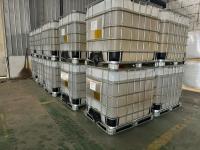
Application of Polyamine
1. Introduction to Polyamine
Polyamine is a water-soluble cationic polymer widely used in water treatment, wastewater treatment, and industrial solid–liquid separation processes. It is typically produced by the polymerization of epichlorohydrin and amine compounds, resulting in a polymer with high positive charge density, low to medium molecular weight, and excellent charge neutralization capability.
Unlike high-molecular-weight flocculants such as polyacrylamide, polyamine functions primarily as a coagulant rather than a bridging flocculant. Its main role is to destabilize negatively charged colloidal particles, emulsified oils, organic matter, and fine suspended solids, making them easier to aggregate, settle, or float. Because of its fast reaction speed and broad adaptability, polyamine is widely applied in both municipal and industrial treatment systems.
2. Municipal Drinking Water Treatment
2.1 Raw Water Clarification
One of the most important applications of polyamine is in municipal drinking water treatment plants for the clarification of surface water, river water, and reservoir water. Natural waters usually contain negatively charged clay particles, silt, algae, and organic colloids that remain stable in suspension. Polyamine neutralizes these charges rapidly, allowing particles to collide and form micro-flocs.
Polyamine can be used as a primary coagulant or as a coagulant aid in combination with inorganic salts such as aluminum sulfate or ferric chloride. Its use improves sedimentation efficiency, reduces turbidity, and enhances overall clarification performance, particularly under conditions of fluctuating raw water quality.
2.2 Reduction of Chemical Consumption
When polyamine is used together with traditional inorganic coagulants, it significantly reduces the required dosage of alum or iron salts. This leads to lower sludge production, improved treated water quality, and reduced residual aluminum or iron content in finished water. Additionally, polyamine works effectively over a wide pH range, minimizing the need for pH adjustment.
3. Municipal Wastewater Treatment
3.1 Primary Treatment Enhancement
In municipal wastewater treatment plants, polyamine is widely applied in primary clarifiers to enhance the removal of suspended solids, grease, and organic matter. Wastewater typically contains finely dispersed solids and emulsified oils with strong negative charges. Polyamine destabilizes these materials quickly, improving settling speed and clarifier performance.
By increasing solids removal in the primary stage, polyamine reduces the organic load on downstream biological treatment units, helping to stabilize the entire treatment process.
3.2 Sludge Conditioning and Thickening
Polyamine is also used as a sludge conditioning agent before gravity thickening or mechanical dewatering. It neutralizes the surface charge of sludge particles, promoting agglomeration and improving water release. In many plants, polyamine is applied as a pretreatment chemical before high-molecular-weight cationic polyacrylamide, allowing a reduction in overall polymer dosage and improving dewatering efficiency.
4. Industrial Wastewater Treatment Applications
4.1 Paper and Pulp Industry
The paper and pulp industry generates wastewater containing fibers, fillers, inks, and dissolved organic compounds. Polyamine is highly effective in this application due to its ability to neutralize fines and colloidal substances.
Polyamine improves fiber recovery, reduces suspended solids, and enhances the performance of dissolved air flotation (DAF) and clarification systems. It is commonly used in both virgin pulp and recycled paper mills.
4.2 Textile and Dyeing Effluent Treatment
Textile wastewater often contains high levels of negatively charged dyes, surfactants, and organic matter. Polyamine is widely used to remove color and turbidity from textile effluents by neutralizing dye molecules and promoting aggregation. It is particularly effective as a pretreatment chemical before flocculation or advanced oxidation processes.
4.3 Food and Beverage Industry
In food processing industries such as breweries, dairies, and meat processing plants, wastewater contains proteins, fats, oils, and suspended solids. Polyamine effectively destabilizes these contaminants, improving oil-water separation and reducing chemical oxygen demand (COD). This results in improved pretreatment efficiency and reduced load on biological treatment systems.
5. Oil, Gas, and Petrochemical Wastewater
Polyamine plays an important role in treating oily wastewater generated from refineries, petrochemical plants, and oilfield operations. It is used to break emulsions, remove dispersed oil droplets, and improve flotation or sedimentation performance.
In refinery wastewater systems, polyamine improves the efficiency of API separators, dissolved air flotation units, and secondary clarifiers. Its fast reaction and strong charge neutralization make it particularly effective for treating stable oil emulsions.
6. Use as a Pretreatment for Flocculation Systems
Polyamine is frequently applied as a first-step coagulant before high-molecular-weight flocculants such as polyacrylamide. In this two-stage treatment approach, polyamine destabilizes particles, while the flocculant forms strong, settleable flocs through bridging.
This approach provides several advantages:
-
Lower flocculant dosage
-
Faster settling or flotation
-
Improved sludge dewatering
-
More stable operation under variable influent conditions
7. Operational and Economic Advantages
Polyamine offers several practical advantages across different treatment systems:
-
Rapid coagulation and short mixing time
-
Effective over a broad pH range
-
Lower sludge volume compared to inorganic coagulants
-
Reduced corrosion and scaling risks
-
Easy handling and dosing as a liquid product
These characteristics make polyamine an attractive alternative or supplement to conventional coagulants.
tags :
FLOQUAT FL 2850,
FLOQUAT FL 2949,
FLOQUAT FL 3050,
FLOQUAT FL 3150,
FLOQUAT FL 3249