Our Products
coagulant / the application of polyamine used for Municipal sewage treatment
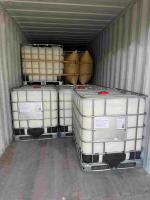



polyamine used for municipal sewage treatment is a highly effective and widely applied solution in modern wastewater treatment systems. As a cationic organic coagulant, polyamine used for municipal sewage treatment plays a crucial role in removing suspended solids, organic matter, colloidal particles, and other pollutants from domestic wastewater. With its strong charge neutralization ability and rapid flocculation performance, polyamine used for municipal sewage treatment significantly improves treatment efficiency and helps wastewater plants meet strict discharge standards.
The primary function of polyamine used for municipal sewage treatment is to act as a coagulant or coagulant aid in the coagulation–flocculation process. Municipal sewage typically contains a complex mixture of contaminants, including:
Suspended solids (SS)
Organic matter (BOD and COD)
Colloidal particles
Microorganisms
Nutrients such as nitrogen and phosphorus
Most of these contaminants carry negative surface charges, which keep them dispersed and stable in water. When polyamine used for municipal sewage treatment is added, it neutralizes these charges and destabilizes the particles, allowing them to aggregate into flocs that can be removed by sedimentation or filtration.
The effectiveness of polyamine used for municipal sewage treatment is based on two main mechanisms:
Polyamine used for municipal sewage treatment contains a high density of positively charged functional groups. These groups neutralize the negative charges on particles, eliminating electrostatic repulsion and enabling aggregation.
In addition to charge neutralization, polyamine used for municipal sewage treatment adsorbs onto particle surfaces and forms bridges between particles. This creates larger and stronger flocs, which settle more rapidly and improve separation efficiency.
These mechanisms make polyamine used for municipal sewage treatment particularly effective in treating complex and variable sewage compositions.
One of the main applications of polyamine used for municipal sewage treatment is in the primary clarification stage.
In primary treatment:
Raw sewage enters sedimentation tanks
Polyamine used for municipal sewage treatment is added to enhance coagulation
Suspended solids and organic matter form flocs
Flocs settle as primary sludge
This application results in:
Significant reduction in suspended solids
Partial removal of BOD and COD
Improved efficiency of downstream biological treatment
In secondary treatment, biological processes are used to degrade organic matter. However, some fine particles and residual organics remain in the effluent.
Polyamine used for municipal sewage treatment is applied to:
Improve secondary clarification
Enhance settling of activated sludge
Reduce turbidity in treated water
By promoting better floc formation, polyamine used for municipal sewage treatment ensures clearer effluent and more stable plant operation.
Another important application of polyamine used for municipal sewage treatment is in tertiary or advanced treatment processes.
At this stage, the goal is to achieve high-quality effluent suitable for discharge or reuse. Polyamine used for municipal sewage treatment helps remove:
Residual suspended solids
Fine colloids
Phosphorus (when combined with other chemicals)
This enhances water clarity and supports compliance with strict environmental regulations.
A key application of polyamine used for municipal sewage treatment is in sludge management.
Municipal wastewater treatment generates large volumes of sludge containing water and fine particles. When polyamine used for municipal sewage treatment is added:
Sludge particles are destabilized
Flocs become larger and denser
Water is released more easily
This improves the performance of dewatering equipment such as:
Centrifuges
Belt filter presses
Filter presses
The result is:
Higher solids content in sludge cake
Reduced sludge volume
Lower disposal costs
Polyamine used for municipal sewage treatment also contributes to the removal of organic pollutants.
By aggregating organic particles and colloids, it helps reduce:
Chemical oxygen demand (COD)
Biochemical oxygen demand (BOD)
This improves overall treatment efficiency and reduces the environmental impact of discharged wastewater.
Municipal sewage often contains substances that cause unpleasant odors and color. Polyamine used for municipal sewage treatment helps remove these compounds by promoting their aggregation and removal during sedimentation or flotation.
This results in:
Improved aesthetic quality of treated water
Reduced environmental nuisance
Compared with traditional inorganic coagulants, polyamine used for municipal sewage treatment offers several advantages:
Rapid coagulation and flocculation
Requires smaller amounts to achieve desired results
Produces less sludge than aluminum or iron salts
Effective under various pH conditions
Produces clearer and cleaner water
In many treatment plants, polyamine used for municipal sewage treatment is used as a coagulant aid in combination with inorganic coagulants such as alum or ferric chloride.
This combination:
Enhances floc size and strength
Improves settling performance
Reduces overall chemical consumption
The use of polyamine used for municipal sewage treatment provides both environmental and economic advantages:
Improved compliance with discharge regulations
Reduced chemical usage and operating costs
Lower sludge handling and disposal expenses
Enhanced water reuse potential
Polyamine used for municipal sewage treatment is a versatile and highly efficient coagulant that plays a critical role in modern wastewater treatment systems. Its strong cationic nature allows it to neutralize negatively charged contaminants, promote rapid floc formation, and improve solid–liquid separation.
In summary, the main applications of polyamine used for municipal sewage treatment include:
Primary clarification
Secondary treatment enhancement
Tertiary and advanced treatment
Sludge thickening and dewatering
Organic matter and COD reduction
Odor and color removal
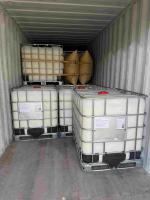
117_small.jpg "polyamine flocculant for coal washing plant water treatment")