

Our Products

coagulant / the application of polyamine for textile wastewater
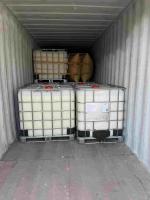
Polyamine for textile wastewater treatment is a highly effective and widely used solution for removing color, suspended solids, and organic pollutants from textile effluents. As a cationic organic coagulant, polyamine for textile wastewater plays a crucial role in improving water quality and ensuring compliance with environmental discharge standards. The textile industry generates large volumes of wastewater containing dyes, auxiliaries, surfactants, and fine particles, many of which are negatively charged and difficult to remove using conventional methods. In this context, polyamine for textile wastewater provides a fast, efficient, and economical treatment option.
1. Characteristics of Textile Wastewater
To understand the importance of polyamine for textile wastewater, it is essential to examine the characteristics of textile effluents. Textile wastewater typically contains:
-
High color intensity from dyes and pigments
-
Suspended solids such as fibers and lint
-
High chemical oxygen demand (COD)
-
Surfactants and dispersing agents
-
Variable pH and temperature
Most dye molecules used in textile processing—such as reactive dyes, acid dyes, and direct dyes—carry negative charges, making them stable in water and resistant to natural settling. This is why polyamine for textile wastewater is particularly effective, as it directly targets these negatively charged contaminants.
2. Mechanism of Polyamine in Textile Wastewater
The effectiveness of polyamine for textile wastewater is based on two main mechanisms:
1. Charge Neutralization
Polyamine for textile wastewater contains a high density of positively charged functional groups. When added to wastewater, it neutralizes the negative charges of dye molecules, colloids, and suspended particles. This destabilization eliminates electrostatic repulsion and allows particles to come together.
2. Adsorption and Bridging
In addition to neutralization, polyamine for textile wastewater adsorbs onto particle surfaces and forms bridges between them. This leads to the formation of large and dense flocs that can be easily removed by sedimentation or flotation.
These combined mechanisms make polyamine for textile wastewater highly efficient for color removal and clarification.
3. Color Removal (Primary Application)
The most important application of polyamine for textile wastewater is color removal. Textile dyes are often designed to be stable and resistant to degradation, making them difficult to remove through biological treatment alone.
When polyamine for textile wastewater is applied:
-
Dye molecules are destabilized
-
Aggregates are formed
-
Flocs settle rapidly or float in DAF systems
This results in:
-
Significant reduction in color
-
Improved transparency of treated water
-
Enhanced downstream treatment efficiency
Because of its strong cationic nature, polyamine for textile wastewater is especially effective for removing reactive dyes and other anionic colorants.
4. Reduction of COD and Suspended Solids
Another key function of polyamine for textile wastewater is the reduction of chemical oxygen demand (COD) and suspended solids (SS).
Textile wastewater contains large amounts of organic substances such as sizing agents, softeners, and residual dyes. Polyamine for textile wastewater helps aggregate these organic compounds into flocs, which can then be removed through sedimentation or filtration.
Benefits include:
-
Lower COD levels
-
Reduced pollutant load
-
Improved compliance with discharge regulations
5. Application in Coagulation–Flocculation Process
In textile wastewater treatment plants, polyamine for textile wastewater is typically used in the coagulation–flocculation stage.
Process steps:
-
Rapid mixing: Polyamine for textile wastewater is added and quickly dispersed
-
Charge neutralization: contaminants are destabilized
-
Slow mixing: flocs grow through bridging
-
Sedimentation or flotation: flocs are removed
In many cases, polyamine for textile wastewater is used together with inorganic coagulants (such as alum or ferric salts) or polymer flocculants to achieve optimal performance.
6. Use in Dissolved Air Flotation (DAF)
Polyamine for textile wastewater is highly effective in dissolved air flotation (DAF) systems, which are commonly used in textile plants.
In DAF systems:
-
Air bubbles attach to flocs
-
Flocs float to the surface
-
Contaminants are removed as sludge
Polyamine for textile wastewater improves floc formation, making it easier for particles to attach to air bubbles. This enhances removal efficiency for:
-
Dyes
-
Oils
-
Suspended solids
7. Advantages of Polyamine in Textile Wastewater
Compared with traditional treatment chemicals, polyamine for textile wastewater offers several advantages:
1. High Efficiency
Rapid and effective removal of color and suspended solids
2. Lower Dosage
Requires smaller quantities compared to inorganic coagulants
3. Less Sludge Production
Generates less sludge, reducing disposal costs
4. Wide pH Range
Effective under varying pH conditions
5. Improved Water Quality
Produces clearer effluent suitable for reuse or discharge
8. Combination with Other Treatment Methods
Polyamine for textile wastewater is often used in combination with other treatment processes to achieve higher efficiency:
-
Biological treatment (for COD reduction)
-
Advanced oxidation processes (for refractory pollutants)
-
Membrane filtration (for water reuse)
By improving initial clarification, polyamine for textile wastewater reduces the load on downstream processes and enhances overall system performance.
9. Sludge Handling Benefits
The sludge generated from polyamine for textile wastewater treatment is generally easier to dewater compared to sludge produced by inorganic coagulants. The flocs formed are denser and release water more easily during mechanical dewatering.
This results in:
-
Higher solids content in sludge cake
-
Lower transportation costs
-
Improved handling efficiency
10. Environmental and Economic Impact
The use of polyamine for textile wastewater contributes to both environmental protection and cost savings:
-
Reduces pollutant discharge into water bodies
-
Enables water recycling and reuse
-
Lowers chemical and sludge management costs
-
Improves compliance with environmental regulations
Conclusion
Polyamine for textile wastewater is a powerful and versatile coagulant that plays a critical role in modern textile effluent treatment systems. Its strong cationic nature allows it to effectively neutralize negatively charged dyes and particles, promoting rapid floc formation and efficient solid–liquid separation.
In summary, the key applications of polyamine for textile wastewater include:
-
Color removal (primary application)
-
Reduction of COD and suspended solids
-
Coagulation–flocculation processes
-
Enhancement of DAF systems
-
Sludge conditioning and dewatering