Our Products
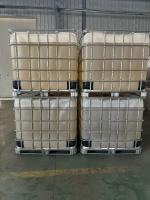
coagulant / polyamine used for Drinking water clarification|polyamine 50%
212_small.jpg "polyamine used for Drinking water clarification|polyamine 50%")



Polyamine used for drinking water clarification is a highly effective and widely applied solution in modern potable water treatment systems. As a cationic organic coagulant, polyamine used for drinking water clarification plays a crucial role in removing turbidity, suspended solids, natural organic matter, and microorganisms from raw water sources such as rivers, lakes, and reservoirs. Its strong positive charge and rapid reaction characteristics make polyamine used for drinking water clarification an important alternative or supplement to traditional inorganic coagulants.
The primary function of polyamine used for drinking water clarification is to act as a coagulant or coagulant aid. Raw water typically contains fine particles that are negatively charged, including clay, silt, algae, and organic matter. These particles remain stable in suspension due to electrostatic repulsion, which prevents them from settling naturally.
When polyamine used for drinking water clarification is added, its positively charged functional groups neutralize the negative charges on particle surfaces. This destabilization allows particles to collide and form small aggregates known as microflocs. Through continuous mixing and gentle agitation, these microflocs grow into larger, denser flocs that can settle rapidly in sedimentation tanks or be removed through filtration.
The effectiveness of polyamine used for drinking water clarification is based on two main mechanisms:
Polyamine used for drinking water clarification contains a high density of cationic groups that neutralize negatively charged contaminants. This eliminates repulsive forces between particles and initiates coagulation.
In addition to charge neutralization, polyamine used for drinking water clarification can adsorb onto multiple particles simultaneously, forming bridges that link particles together. This results in stronger and larger flocs, improving sedimentation efficiency.
These combined mechanisms make polyamine used for drinking water clarification highly efficient, especially in low-turbidity or low-temperature water where traditional coagulants may perform poorly.
One of the most important applications of polyamine used for drinking water clarification is the removal of turbidity and suspended solids. Turbidity is caused by fine particles that scatter light and make water appear cloudy.
Polyamine used for drinking water clarification rapidly aggregates these fine particles into larger flocs that settle quickly. This results in:
Improved water clarity
Reduced load on filtration systems
Enhanced overall treatment efficiency
Because of its high efficiency, polyamine used for drinking water clarification can achieve excellent turbidity removal even at low dosages.
Natural organic matter, including humic and fulvic acids, is commonly present in surface water. These compounds can cause color, taste, and odor issues and may react with disinfectants to form harmful by-products.
Polyamine used for drinking water clarification effectively removes NOM by neutralizing its negative charge and promoting floc formation. This reduces the concentration of organic precursors and improves the safety and quality of drinking water.
Algae and microorganisms are another major concern in drinking water treatment. They can cause operational problems such as filter clogging and contribute to unpleasant taste and odor.
Because algae cells typically carry negative charges, polyamine used for drinking water clarification is highly effective in destabilizing them. The polymer promotes aggregation of algae into larger flocs, which can be easily removed during sedimentation and filtration.
This application is particularly important during algal bloom seasons, where polyamine used for drinking water clarification helps maintain consistent water quality.
Compared with conventional inorganic coagulants such as aluminum sulfate (alum) and ferric chloride, polyamine used for drinking water clarification offers several advantages:
Polyamine used for drinking water clarification typically requires a smaller dosage to achieve the same or better results.
The coagulation process occurs rapidly, reducing treatment time and improving plant efficiency.
Organic coagulants like polyamine used for drinking water clarification produce less sludge than inorganic salts, lowering disposal costs.
Polyamine used for drinking water clarification is effective across a broad pH range, reducing the need for pH adjustment.
The flocs formed are larger, denser, and more stable, leading to better sedimentation and filtration performance.
In many drinking water treatment plants, polyamine used for drinking water clarification is used as a coagulant aid in combination with inorganic coagulants.
When used with alum or ferric salts:
It enhances floc size and strength
Improves settling velocity
Reduces chemical consumption
This combined approach optimizes treatment efficiency and reduces operating costs.
Low turbidity water can be difficult to treat because there are fewer particles to collide and form flocs. Traditional coagulants may be less effective under these conditions.
Polyamine used for drinking water clarification is particularly suitable for low turbidity water because its strong charge neutralization and bridging capabilities promote floc formation even when particle concentrations are low.
For optimal performance, the use of polyamine used for drinking water clarification requires proper control of:
Dosage
Mixing intensity
pH conditions
Jar testing is typically conducted to determine the best dosage and operating conditions for a specific water source.
Polyamine used for drinking water clarification is a highly efficient and versatile solution for improving water quality in modern treatment systems. Its strong cationic nature enables it to neutralize negatively charged particles, promote rapid floc formation, and enhance solid–liquid separation.
In summary, polyamine used for drinking water clarification is widely applied for:
Turbidity and suspended solids removal
Natural organic matter reduction
Algae and microorganism removal
Coagulant aid in combined treatment systems
202_small.jpg "polyamine used in paper retention and drainage systems")