Application of Polyamine
Polyamines are a class of cationic polymers widely used in water treatment, mineral processing, oilfield operations, and industrial processes due to their high molecular weight, strong charge density, and ability to induce flocculation. They are versatile chemicals that facilitate solid-liquid separation, improve sludge dewatering, enhance water clarification, and optimize process efficiency across multiple sectors. This document outlines the primary applications of polyamines in detail.
1. Industrial Wastewater Treatment
In industrial wastewater management, polyamines act as high-efficiency flocculants and coagulants, capable of aggregating suspended solids, organic matter, and colloidal particles. Their cationic nature neutralizes negatively charged particles in effluent streams, leading to rapid floc formation and improved sedimentation.
Key Applications:
-
Metalworking and machining effluents: Polyamines treat wastewater containing metal fines, cutting oils, and emulsions. They reduce turbidity, aid sludge settling, and enhance recovery of reusable water.
-
Textile industry effluent: They remove dyes, fibers, and other colloids, improving water clarity and enabling better compliance with discharge regulations.
-
Pulp and paper wastewater: In pulp mills, polyamines improve retention of fine fibers and fillers, reducing the load on downstream clarifiers and enhancing sludge dewatering efficiency.
Mechanism: The polymer chains of polyamines adsorb onto negatively charged particles, neutralizing their charge and creating bridges between particles. This leads to the formation of larger, rapidly settling flocs.
2. Municipal Water Treatment
Polyamines are applied in municipal water and wastewater treatment to improve solid-liquid separation and clarify raw or recycled water. Their high charge density enables efficient coagulation of suspended solids, colloids, and natural organic matter.
Applications and Benefits:
-
Clarification: Accelerates floc formation in rapid-mix and flocculation units, improving water clarity and filterability.
-
Sludge conditioning: Enhances dewatering performance in centrifuges, belt presses, and filter presses, reducing disposal costs.
-
Algae removal: Aggregates colloidal particles and algae cells for effective sedimentation.
Operational Note: Optimal dosing depends on water turbidity, pH, and ionic strength, and jar tests are commonly conducted to determine the precise amount required.
3. Mineral Processing
Polyamines are extensively used in mineral processing for flocculation, thickening, and tailings management. They facilitate the aggregation of fine mineral particles, improving recovery and water recycling.
Key Applications:
-
Tailings thickening: Polyamines enhance the sedimentation of fine particles, increasing the underflow solids concentration and enabling water recovery.
-
Suspension clarification: In high-solids slurries, polyamines accelerate particle settling, reducing overflow turbidity and improving process efficiency.
-
Flotation processes: They can act as selective flocculants in flotation circuits, improving the separation of valuable minerals from gangue and enhancing concentrate quality.
Advantages: Faster settling, higher underflow solids, and lower polymer consumption compared to lower molecular weight or anionic flocculants.
4. Oilfield and Drilling Applications
In oil and gas operations, polyamines are used to treat produced water, drilling muds, and sludge, improving process efficiency and environmental compliance.
Applications:
-
Produced water treatment: Removes suspended solids, oil droplets, and colloidal particles, enabling reuse or safe discharge.
-
Drilling mud recovery: Enhances sedimentation of solids in drilling waste, reducing disposal volumes and recovering valuable drilling fluids.
-
Sludge dewatering: Produces higher solid content in waste sludge, reducing transportation and disposal costs.
Polyamines are particularly effective in high-salinity environments where traditional anionic flocculants may fail.
5. Paper and Pulp Industry
Polyamines serve as retention aids, drainage aids, and sludge conditioners in the pulp and paper industry.
Benefits:
-
Retention and drainage: Improves the retention of fine fibers and fillers during paper sheet formation.
-
Sludge dewatering: Enhances the water removal from secondary sludge, reducing waste volume and disposal costs.
-
Water recovery: Supports recycling of process water, reducing fresh water consumption.
By optimizing flocculation in the pulp slurry, polyamines contribute to higher machine efficiency and improved paper quality.
6. Environmental and Industrial Advantages
The use of polyamines across industries offers several operational and environmental benefits:
-
Reduced chemical consumption: High flocculation efficiency allows lower dosages than conventional coagulants.
-
Faster settling and dewatering: Increases throughput in clarifiers, thickeners, and sludge dewatering units.
-
Water recovery and reuse: Promotes recycling of process and wastewater streams, conserving water resources.
-
Lower sludge disposal costs: Produces compact, low-water-content sludge, reducing transportation and treatment expenses.
7. Handling and Dosage Recommendations
-
Dosage: Typically ranges from 0.1 to 10 mg/L for water treatment and 0.5 to 50 g/t in mineral processing, depending on particle concentration and water chemistry.
-
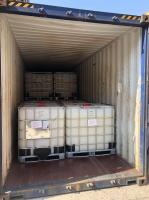
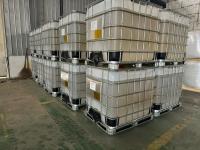
Preparation: Supplied as liquid concentrates, polyamines may be diluted with water for uniform dosing.
-
Safety: Non-toxic under normal handling, but standard industrial safety measures, including gloves and eye protection, are recommended.
Conclusion
Polyamines are versatile cationic flocculants and coagulants widely applied in water treatment, mineral processing, oilfield operations, and industrial wastewater management. Their strong charge density and high molecular weight allow for efficient floc formation, improved sludge dewatering, faster sedimentation, and enhanced water clarity. By reducing chemical consumption, minimizing disposal costs, and promoting water reuse, polyamines play a critical role in achieving sustainable and cost-effective industrial operations. Their adaptability across a variety of industrial and municipal processes makes them an essential tool for modern flocculation and coagulation applications.




874_small.jpg "anionic polyacrylamide for coal wahsing,screening,sedimentation,flotation and dewatering")