Our Products
coagulant / high molecular weight polydadmac for coagulation flocculation process
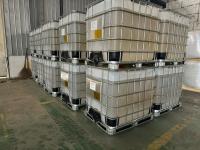



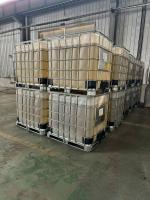
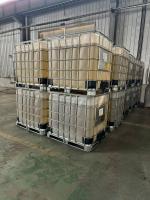
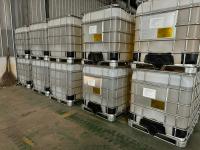
High molecular weight Polydadmac (poly diallyldimethylammonium chloride) is a cationic polymer widely used in water and wastewater treatment systems where strong coagulation and enhanced flocculation are required. Compared with low molecular weight grades, high molecular weight Polydadmac provides improved particle bridging ability, stronger floc structure, and better performance in difficult solid–liquid separation processes. It is particularly effective in treating high turbidity water, industrial effluents, sludge conditioning systems, and complex colloidal suspensions.
High molecular weight Polydadmac is synthesized from diallyldimethylammonium chloride monomers through controlled polymerization to achieve long polymer chains. These long chains significantly influence its performance in coagulation and flocculation.
Key characteristics include:
These properties make high molecular weight Polydadmac suitable for advanced flocculation applications where simple charge neutralization is not sufficient.
Coagulation–flocculation is a two-step process used to remove suspended solids and colloids from water:
High molecular weight Polydadmac contributes to both stages, especially flocculation, due to its dual mechanism of charge neutralization and polymer bridging.
High molecular weight Polydadmac improves coagulation–flocculation through several mechanisms:
(1) Charge neutralization
The strong cationic charge neutralizes negatively charged particles, reducing electrostatic repulsion and allowing initial aggregation.
(2) Polymer bridging effect
Long polymer chains adsorb onto multiple particles simultaneously, linking them together into larger flocs. This is a key advantage of high molecular weight grades.
(3) Patch flocculation mechanism
Positively charged segments of the polymer form localized “patches” that attract negatively charged particles, enhancing microfloc formation.
(4) Enmeshment of fine particles
As flocs grow, fine suspended solids and colloids become trapped within the polymer network, improving separation efficiency.
(5) Strengthening of floc structure
The long chains provide mechanical strength, making flocs more resistant to shear forces during mixing and transport.
High molecular weight Polydadmac is used to improve:
It is particularly useful in low-temperature or high-turbidity conditions.
It is widely applied in:
High molecular weight Polydadmac improves:
It plays a major role in sludge treatment by:
Used to:
(1) Strong bridging capability
Long polymer chains connect multiple particles, forming large and stable flocs.
(2) High efficiency at low dosage
Effective at relatively low concentrations compared to inorganic coagulants.
(3) Improved floc strength
Flocs resist shear forces in pumps and pipelines.
(4) Faster settling rate
Large flocs settle quickly, improving clarification efficiency.
(5) Wide application range
Suitable for drinking water, industrial wastewater, and sludge systems.
(6) Reduced sludge volume
Produces dense flocs with lower water retention.
Typical dosage ranges:
Key factors affecting performance include:
Proper jar testing is essential for optimization.
High molecular weight Polydadmac is often used in combination systems:
(1) Polyaluminum chloride (PAC):
Provides initial coagulation, while Polydadmac enhances floc growth.
(2) Anionic polyacrylamide (APAM):
Works as a complementary flocculant to strengthen bridging and improve settling.
(3) Ferric salts:
Assist in removal of phosphorus and fine particulates.
(4) Lime or pH adjusters:
Improve precipitation and coagulation efficiency in industrial systems.
This synergy significantly enhances overall treatment performance.
(1) Overdosing risk
Excess polymer can cause charge reversal and reduce floc quality.
(2) Shear sensitivity
Although strong, flocs may break under extreme turbulence if not properly optimized.
(3) System variability
Different wastewater types require tailored dosing strategies.
(4) Cost considerations
More expensive than inorganic coagulants, but higher efficiency often offsets cost.
To achieve optimal performance:
The use of high molecular weight Polydadmac in coagulation–flocculation is expected to grow due to:
Future innovations will focus on enhanced shear resistance, lower dosage requirements, and improved performance in complex wastewater systems.