


Our Products

coagulant / high charge density polyDADMAC for rapid coagulation
High charge density polyDADMAC (polydiallyldimethylammonium chloride) is a high-performance cationic polymer widely used as a rapid-acting coagulant in water and wastewater treatment systems. Its defining characteristic is an extremely high density of permanently charged quaternary ammonium groups distributed along the polymer backbone. This structural feature enables exceptionally fast charge neutralization of negatively charged colloids, making it particularly effective in processes requiring short reaction times, high hydraulic loading, and rapid clarification.
In aqueous systems, most suspended solids, colloidal particles, and dissolved organic macromolecules carry a net negative surface charge. This charge originates from ionization of functional groups, adsorption of anions, or surface mineral chemistry. The resulting electrostatic repulsion stabilizes particles in suspension and prevents aggregation. High charge density polyDADMAC directly addresses this stability mechanism by supplying a large number of fixed positive charges that strongly interact with negatively charged surfaces.
The coagulation mechanism of high charge density polyDADMAC is dominated by charge neutralization rather than bridging. When introduced into water, the polymer rapidly adsorbs onto particle surfaces through electrostatic attraction. Because of its high charge density, adsorption occurs almost instantaneously and saturates the available negative sites on colloids. This leads to a sharp reduction in zeta potential and compression of the electrical double layer surrounding particles. Once electrostatic repulsion is eliminated, particles collide and aggregate into microflocs driven by van der Waals forces.
This rapid destabilization is the key reason high charge density polyDADMAC is widely used in high-speed clarification systems. Unlike conventional inorganic coagulants such as aluminum sulfate or ferric chloride, which rely on hydrolysis reactions and pH-dependent species formation, polyDADMAC acts immediately upon contact. This eliminates induction time and allows effective coagulation even in short-retention systems such as inline mixers, flotation units, and high-rate clarifiers.
One of the most important application areas of high charge density polyDADMAC is municipal and industrial water clarification. Surface water sources such as rivers and reservoirs often contain fine clay particles, humic substances, algae, and natural organic matter. These contaminants are highly stable due to strong negative surface charge. PolyDADMAC rapidly neutralizes these charges, enabling efficient turbidity reduction and color removal. This improves downstream filtration performance and reduces filter backwashing frequency.
In wastewater treatment systems, high charge density polyDADMAC is widely applied in primary and tertiary clarification stages. In primary treatment, it enhances removal of suspended solids, organic debris, and colloidal particles from raw influent. In tertiary treatment, it polishes biologically treated effluent by removing residual fine solids and colloidal organic matter. This results in significantly improved effluent clarity and compliance with discharge standards.
Another major advantage of high charge density polyDADMAC is its effectiveness in low-temperature water. In cold climates, conventional coagulants often experience reduced hydrolysis efficiency and slower reaction kinetics. PolyDADMAC, being a pre-formed cationic polymer, is not dependent on temperature-sensitive chemical reactions. This ensures stable performance even in winter conditions or cold industrial process streams.
In industrial applications, high charge density polyDADMAC is used in sectors such as papermaking, textile processing, mining, oil and gas, and food processing. In paper mills, it is particularly effective in controlling anionic trash, improving retention of fines and fillers, and stabilizing wet-end chemistry. Its rapid charge neutralization helps maintain consistent drainage and formation quality on high-speed paper machines.
In textile wastewater treatment, polyDADMAC is highly effective in removing reactive dyes, direct dyes, and dispersed color bodies. These dye molecules are typically highly anionic and resistant to biodegradation. High charge density polyDADMAC destabilizes dye structures quickly, enabling rapid decolorization through coagulation and subsequent flocculation.
In mining and mineral processing wastewater, fine particles such as clays, silicates, and metal oxides are difficult to remove due to their colloidal stability. PolyDADMAC rapidly neutralizes these particles, improving sedimentation rates in thickeners and clarifiers. This enhances water recycling efficiency and reduces freshwater demand in mining operations.
In oilfield produced water treatment, high charge density polyDADMAC contributes to destabilizing emulsified oil droplets and fine suspended solids. Although it is often used in combination with demulsifiers and flocculants, its rapid charge neutralization step is critical for breaking emulsion stability and improving oil–water separation in flotation and gravity systems.
One of the key operational benefits of high charge density polyDADMAC is its low dosage requirement. Because of its strong electrostatic interaction, effective treatment can often be achieved at concentrations ranging from 0.1 to 10 mg/L in drinking water applications and higher in industrial wastewater systems depending on contamination levels. This reduces chemical consumption and minimizes sludge production.
PolyDADMAC is also effective over a wide pH range, typically from pH 4 to 10. Since its cationic charge is permanent and not dependent on protonation equilibrium, it maintains full activity under both acidic and alkaline conditions. This makes it highly suitable for processes with fluctuating or uncontrolled pH levels.
In terms of process integration, high charge density polyDADMAC is often used as a primary coagulant or coagulant aid in combination with high-molecular-weight flocculants such as polyacrylamide. In such systems, polyDADMAC performs rapid destabilization, while flocculants provide bridging and floc strengthening. This combination enhances overall separation efficiency, improves settling velocity, and produces clearer supernatant.
From an engineering perspective, rapid coagulation performance allows for compact system design. High-rate clarification systems, lamella settlers, and dissolved air flotation units benefit from the fast kinetics of polyDADMAC, enabling smaller reactor volumes and higher throughput capacity. This reduces capital investment and footprint requirements in treatment plant design.
Environmental and operational considerations also support its use. Compared with inorganic coagulants, polyDADMAC generates less sludge and avoids introduction of metal ions into treated water. This simplifies sludge handling and reduces downstream environmental impact. However, careful control of residual polymer is required in potable water applications to ensure compliance with regulatory standards.
In conclusion, high charge density polyDADMAC is a highly efficient and versatile coagulant for rapid coagulation applications in water and wastewater treatment. Its strong and permanent cationic charge enables immediate destabilization of colloidal systems, making it ideal for high-speed, high-load, and variable-condition processes. Through optimized application and integration with complementary treatment chemicals, it significantly enhances clarification efficiency, process stability, and overall water treatment performance across a wide range of industrial and municipal systems.
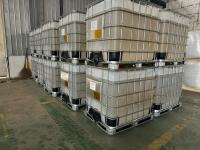
639_small.jpg "PolyDADMAC for centrifuge sludge dewatering and belt filter press")
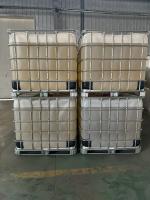
322_small.jpg "polydadmac (FL4440)with 50% solid content and 1000-3000 CPS viscosity from Chinafloc")