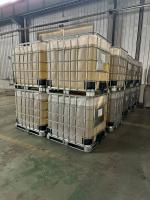
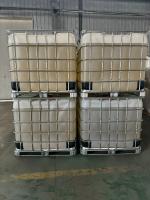
Magnafloc LT 31 is a low-molecular-weight, high-charge cationic polyamine coagulant widely used in water treatment and solid–liquid separation processes. It belongs to the BASF Magnafloc LT series and is typically applied as a primary coagulant or coagulant aid rather than a classic high-molecular-weight flocculant. Its main function is rapid charge neutralization of negatively charged colloids, which initiates destabilization and aggregation of suspended matter.
Below is a structured and comprehensive explanation of its industrial applications.
1. Core Function in Water Treatment (Primary Coagulation)
The principal application of Magnafloc LT 31 is in coagulation for water and wastewater clarification.
In raw water and industrial effluents, fine particles such as clay, organic colloids, and microorganisms carry a negative surface charge. LT 31, being strongly cationic, neutralizes these charges and eliminates electrostatic repulsion.
Key outcomes:
-
Rapid destabilization of colloids
-
Formation of micro-flocs
-
Improved sedimentation efficiency
-
Reduced turbidity in clarified water
It is frequently used as a replacement or partial replacement for inorganic coagulants such as alum or ferric salts, especially when lower sludge generation and better dewatering characteristics are required.
2. Drinking Water Clarification
Magnafloc LT 31 is applied in potable water treatment systems as a pre-treatment or primary coagulant.
Application objectives:
-
Removal of suspended solids and turbidity
-
Reduction of natural organic matter (NOM)
-
Improvement of downstream filtration performance
Compared with conventional inorganic coagulants:
-
Produces less metal hydroxide sludge
-
Works effectively at lower dosages
-
Improves filter run length and stability
Regulatory-approved variants of the LT range are used in drinking water systems under controlled dosing conditions.
3. Industrial Wastewater Treatment
A major application of LT 31 is in industrial effluent treatment, particularly where colloidal and finely dispersed particles dominate.
3.1 Textile wastewater
-
Removal of dye molecules and color bodies
-
Aggregation of fine fiber fragments
-
Reduction of COD and turbidity
Its strong cationic nature allows interaction with negatively charged dye structures, improving color removal efficiency.
3.2 Pulp and paper wastewater
-
Removal of lignin derivatives and cellulose fines
-
White water clarification
-
Fiber recovery and reuse
This improves both water recycling and raw material efficiency in paper mills.
3.3 Food and beverage wastewater
-
Clarification of syrup, juice, and fermentation effluents
-
Removal of suspended organic solids
-
Reduction of organic load before biological treatment
3.4 Chemical and petrochemical wastewater
-
Removal of emulsified particles
-
Pre-treatment before advanced oxidation or biological systems
-
Improved oil–solid separation performance
4. Mining and Mineral Processing Applications
In mining operations, LT 31 is widely used for solid-liquid separation of mineral suspensions and tailings water.
Main functions:
-
Settling acceleration of fine mineral particles
-
Clarification of tailings pond water
-
Reduction of turbidity in process water recycling systems
-
Enhancement of thickener and clarifier performance
It is especially effective for ultra-fine clays and colloidal silica, which are difficult to settle using gravity alone.
5. Oil and Gas Industry Applications
Magnafloc LT 31 is used in produced water treatment and injection water preparation.
Key roles:
-
Removal of dispersed oil droplets
-
Reduction of suspended solids in produced water
-
Prevention of formation damage in injection systems
Its stability in varying salinity and moderate temperature conditions makes it suitable for upstream water treatment operations.
6. Sludge Conditioning and Dewatering Support
Although LT 31 is primarily a coagulant, it is also used as a conditioning agent before mechanical dewatering.
Applications include:
-
Belt filter presses
-
Centrifuges
-
Filter presses
It improves sludge structure by neutralizing charges and reducing bound water, which results in:
-
Higher cake solids content
-
Lower polymer consumption in secondary flocculation stages
-
Improved filtrate clarity
7. Sugar, Juice, and Process Industry Clarification
A well-documented application is sugar refinery and syrup clarification, where LT 31 is used to remove:
-
Organic impurities
-
Color compounds
-
Suspended solids in raw juice
This improves final product purity and reduces downstream filtration load.
8. Role as Coagulant Aid with Flocculants
LT 31 is often used in combination with high-molecular-weight polyacrylamides:
-
LT 31: charge neutralization (coagulation stage)
-
Polyacrylamide: bridging flocculation (floc growth stage)
This dual system significantly improves:
-
Floc size and density
-
Settling velocity
-
Dewatering performance
9. Operational Characteristics Relevant to Applications
Typical properties influencing its use:
-
Strong cationic charge density
-
Low to medium viscosity liquid form
-
Effective in a wide pH range (typically acidic to neutral systems)
-
Rapid solubility and fast reaction kinetics
-
Compatibility with multiple inorganic/organic coagulants
These characteristics allow flexible dosing in both continuous and batch treatment systems.
10. Summary of Industrial Value
Magnafloc LT 31 is primarily used wherever rapid destabilization of colloidal systems is required. Its importance is highest in:
-
Drinking water clarification
-
Industrial wastewater treatment
-
Mining tailings clarification
-
Paper mill water recycling
-
Oilfield produced water treatment
-
Sugar and food process clarification
-
Sludge dewatering support systems

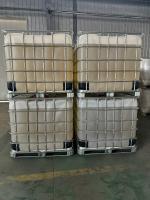


343_small.jpg "polyamine for color removal in textile wastewater")