


Our Products

coagulant / The replacement of KEMSEP C9007 polyamine for oil and gas
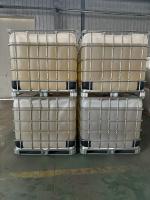
KEMSEP C9007 is a cationic polyamine coagulant belonging to the KemSep 9000 Series. It is a high-charge-density, low-to-medium molecular weight polymer designed primarily for water and wastewater treatment applications. Like other polyamines in the KemSep 9000 range, KEMSEP C9007 functions as a charge neutralization agent that destabilizes suspended particles, colloids, organic contaminants, and emulsified materials, enabling their rapid aggregation and removal from water streams. The product is widely used in municipal and industrial treatment systems because it provides effective clarification, reduces sludge production, and often lowers the consumption of inorganic coagulants such as alum and ferric salts.
1. Municipal Drinking Water Treatment
One of the most important applications of KEMSEP C9007 is in drinking water clarification. Surface water sources such as rivers, lakes, and reservoirs contain clay, silt, algae, organic matter, and colloidal particles that cannot settle naturally. KEMSEP C9007 neutralizes the negative charges on these particles, allowing them to form larger flocs that settle rapidly in clarifiers. This improves turbidity removal and enhances filtration performance. Polyamine coagulants are effective over a broad pH range and can reduce dependence on traditional metal salts.
Benefits include:
- Faster settling rates.
- Improved filter run times.
- Lower residual turbidity.
- Reduced chemical consumption.
- Lower sludge generation.
2. Municipal Wastewater Treatment
Municipal sewage treatment plants use KEMSEP C9007 during primary and secondary clarification processes. Wastewater contains suspended solids, bacteria, organic matter, and colloidal contaminants that must be removed before discharge.
The high cationic charge of KEMSEP C9007 rapidly destabilizes negatively charged particles. The resulting flocs are easily separated through sedimentation, dissolved air flotation, or filtration systems. Polyamine coagulants often improve suspended solids removal and contribute to lower effluent turbidity.
Typical benefits include:
- Improved clarification efficiency.
- Enhanced solids separation.
- Better effluent quality.
- Reduced sludge handling costs.
- Lower operating expenses.
3. Sludge Dewatering
Sludge dewatering is another major application of KEMSEP C9007. Municipal and industrial sludge contains large quantities of water trapped within biological solids and fine particles.
When added before belt filter presses, centrifuges, screw presses, or filter presses, KEMSEP C9007 promotes particle aggregation and water release. The resulting sludge cake has a higher solids content and reduced moisture content. Polyamine coagulants are commonly used in conjunction with flocculants to optimize dewatering efficiency.
Advantages include:
- Higher cake solids.
- Reduced sludge volume.
- Lower disposal costs.
- Increased dewatering throughput.
- Improved equipment performance.
4. Industrial Wastewater Treatment
KEMSEP C9007 is widely used across numerous industrial sectors where wastewater contains suspended solids, oils, dyes, organic matter, and process contaminants.
Industries commonly using polyamine coagulants include:
- Textile manufacturing.
- Dyeing plants.
- Food processing.
- Chemical production.
- Petrochemical facilities.
- Metal finishing operations.
- Pharmaceutical manufacturing.
The polymer destabilizes colloidal particles and promotes efficient solid-liquid separation, enabling compliance with discharge regulations.
5. Color Removal from Dye Wastewater
Textile and dye manufacturing facilities generate wastewater containing highly stable colored molecules. Conventional treatment methods often struggle to remove these compounds effectively.
KEMSEP C9007 functions as a powerful decolorization agent by neutralizing charged dye molecules and promoting floc formation. Polyamine-based treatment systems have demonstrated excellent color reduction while simultaneously lowering COD and suspended solids levels.
Applications include:
- Reactive dye wastewater.
- Disperse dye wastewater.
- Acid dye wastewater.
- Printing ink wastewater.
- Pigment manufacturing wastewater.
The result is significantly clearer effluent and improved compliance with environmental standards.
6. Dissolved Air Flotation (DAF) Systems
Many industries employ dissolved air flotation systems to remove oils, greases, fibers, and suspended solids.
KEMSEP C9007 enhances DAF performance by producing larger and stronger flocs that readily attach to air bubbles. The buoyant flocs rise to the surface where they are mechanically removed. This application is particularly valuable in food processing, paper mills, meat processing facilities, and oil-related industries.
Benefits include:
- Improved flotation efficiency.
- Better grease removal.
- Reduced chemical dosage.
- Increased treatment capacity.
7. Paper and Pulp Industry
The paper industry is a significant consumer of polyamine chemistry. KEMSEP C9007 can be used as a charge neutralizer, deposit control agent, and clarification aid in paper manufacturing processes.
Paper mill process waters contain fibers, fillers, fines, stickies, and dissolved organic contaminants. Polyamine coagulants improve retention, reduce deposits, and enhance whitewater clarification. They also help remove color and organic contaminants from mill effluent streams.
Key applications include:
- Whitewater clarification.
- Process water recycling.
- Fiber recovery.
- Deposit control.
- Effluent treatment.
8. Oil and Gas Industry
KEMSEP C9007 is useful in oilfield and refinery wastewater treatment systems. Produced water often contains emulsified oil droplets, suspended solids, and dissolved contaminants.
The polymer acts as a demulsifier and coagulant, promoting separation of oil and water phases. Improved oil removal enhances downstream treatment performance and supports water reuse initiatives.
Common applications include:
- Produced water treatment.
- Refinery wastewater treatment.
- Oil-water separation.
- Process water recycling.
9. Mining and Mineral Processing
Mining operations generate large volumes of process water containing fine mineral particles that remain suspended for extended periods.
KEMSEP C9007 improves clarification and thickening performance by neutralizing particle charges and accelerating sedimentation. The treated water can often be recycled back into the process, reducing freshwater consumption. Polyamine products are commonly used in coal, gold, copper, and mineral processing facilities.
Benefits include:
- Faster settling.
- Improved water recovery.
- Reduced turbidity.
- Enhanced thickener performance.
10. High-Organic Wastewater Treatment
Wastewater streams rich in proteins, fats, carbohydrates, and biological residues are often difficult to treat using conventional inorganic coagulants alone.
KEMSEP C9007 performs particularly well in treating high-organic wastewater because its strong cationic charge efficiently neutralizes dissolved and colloidal organic matter. This application is common in:
- Food processing plants.
- Meat processing facilities.
- Dairy operations.
- Beverage manufacturing.
- Agricultural processing facilities.
245_small.jpg "The equivalent of FLOQUAT FL3050 polyamine branched")