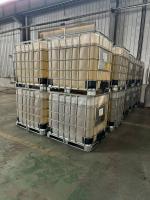
FLOQUAT FL4820 is a high-performance cationic polymer belonging to the polydiallyldimethylammonium chloride (Polydadmac) family, specifically engineered for industrial and environmental applications. Characterized by very high charge density, moderate viscosity (700-1000 cps at 25°C), and a solid content of approximately 20%, it exhibits excellent water solubility, wide pH adaptability (5.0-8.0), and low toxicity, making it a versatile auxiliary in multiple industries. Its core functions—charge neutralization, flocculation, adsorption, and surface modification—enable it to address key challenges in water treatment, papermaking, textiles, and other sectors, supporting process efficiency, product quality, and environmental compliance. Below is a detailed overview of its main applications, supported by technical characteristics and practical utility.
The most prominent application of FLOQUAT FL4820 is in water treatment, where it serves as an efficient coagulant and flocculant, widely used in municipal drinking water purification, industrial wastewater treatment, and sludge dewatering. In drinking water treatment, it has obtained NSF/ANSI/CAN 60 certification, allowing its use at a maximum dosage of 50 mg/L to ensure water safety. It is often used in combination with inorganic coagulants (such as aluminum or iron salts) to enhance the aggregation of suspended solids, algae, silt, and colloidal particles in surface water. By neutralizing the negative charges on these particles, it promotes the formation of dense, fast-settling flocs, reducing water turbidity and removing natural organic matter (such as humic and fulvic acids), which in turn minimizes the formation of disinfection byproducts during subsequent chlorination.
For industrial wastewater treatment, FLOQUAT FL4820 demonstrates exceptional performance in treating effluents from textile, papermaking, food processing, and petrochemical industries. In textile dyeing and printing wastewater, it effectively neutralizes anionic dyes (e.g., reactive, direct dyes), achieving rapid decolorization and reducing chemical oxygen demand (COD) and suspended solids, helping enterprises meet strict environmental discharge standards. In oily wastewater from petrochemical or food processing plants, it destabilizes emulsified oil droplets through adsorption and charge neutralization, facilitating efficient oil-water separation and reducing equipment fouling. In sludge dewatering, it acts as a conditioning agent to break down the stable colloidal structure of municipal or industrial sludge, forming denser flocs that improve the efficiency of filter presses and centrifuges, lowering sludge moisture content and reducing disposal costs.
In the papermaking industry, FLOQUAT FL4820 is widely used as a retention and drainage aid, as well as an anionic trash catcher, addressing key pain points in paper production. As a retention aid, it adsorbs negatively charged fine fibers, fillers (e.g., calcium carbonate, talc), and functional additives, fixing them onto the paper sheet through bridging effects. This increases the retention rate of raw materials by 5%-10%, reducing material loss in white water and improving paper uniformity and tensile strength. Its drainage-promoting property accelerates water removal on the wire section of papermaking machines, increasing production speed and reducing energy consumption in the drying process. As an anionic trash catcher, it neutralizes and removes anionic impurities (e.g., resin, lignin) from recycled pulp or mechanical pulp, which often interfere with sizing and dyeing processes, ensuring stable production and improving printing adaptability, especially in recycled paper mills.
The textile industry also benefits from FLOQUAT FL4820, primarily as a formaldehyde-free color fixing agent and antistatic agent. For dyed cellulosic fabrics (e.g., cotton, linen), it forms ionic bonds with anionic dyes and fiber surfaces, creating a stable "fiber-polymer-dye" complex that significantly improves wash fastness and friction fastness by 1-2 levels without altering fabric hand or breathability. As an eco-friendly alternative to traditional formaldehyde-containing fixing agents, it meets international standards for low-formaldehyde or formaldehyde-free textiles, making it suitable for baby clothing and high-end home textiles. Additionally, it acts as an antistatic agent for synthetic fibers (e.g., polyester, nylon), forming a conductive film on fiber surfaces to dissipate static charges, preventing yarn breakage, dust adsorption, and processing disruptions during spinning and weaving, thereby improving production efficiency and product quality.
Beyond these core fields, FLOQUAT FL4820 has diverse applications in other industrial sectors. In the mineral processing industry, it is used for selective flocculation, helping to separate valuable minerals from gangue by aggregating target particles, improving separation efficiency and mineral recovery rate. In cosmetics and personal care products, it serves as a conditioning agent in shampoos and hair conditioners, enhancing hair softness, reducing static, and improving combability without causing irritation to the scalp or hair. It also finds use in oil and gas operations as an auxiliary agent, though its application here is less prominent compared to other Polydadmac models, it can assist in stabilizing drilling fluids and treating produced water by flocculating suspended solids and emulsified oil.
In practical application, FLOQUAT FL4820 requires proper dilution (typically to 0.05%-0.5% based on solid content) and continuous dosing to ensure uniform mixing with the treated medium and avoid floc breakage. Its dosage is determined by the turbidity, pollutant concentration, and specific process requirements, with optimal dosages identified through laboratory tests to achieve cost-effectiveness and performance efficiency.
Overall, FLOQUAT FL4820 Polydadmac, with its high charge density, stable performance, and environmental compatibility, has become a key functional auxiliary in water treatment, papermaking, textiles, and other industries. Its ability to address process inefficiencies, improve product quality, and support environmental compliance makes it an indispensable material for sustainable industrial operations worldwide, with broad application prospects in both established and emerging industrial fields.



358_small.jpg "PolyDADMAC for river water clarification|polydadmac with NSF")