Our Products
coagulant / TOP 20 polyamine manufacturers in China|polyamine suppliers
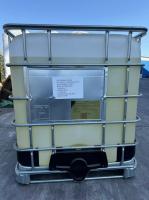



Polyacrylamide is a high-molecular-weight synthetic polymer widely used as a flocculant, thickener, and rheology modifier in numerous industrial processes. It is produced by polymerizing acrylamide monomers and is commercially available in anionic, cationic, and nonionic forms. Because of its strong flocculation ability, low dosage requirement, and adaptability to different process conditions, polyacrylamide has become one of the most important chemicals for solid–liquid separation.
Polyacrylamide is typically supplied as a dry powder, granular product, or emulsion, allowing easy transportation, storage, and on-site preparation. By adjusting molecular weight and charge density, polyacrylamide can be tailored to suit a wide range of water chemistries, solids characteristics, and operating environments.
The primary mechanism of polyacrylamide is polymer bridging. When polyacrylamide is added to a suspension, its long polymer chains adsorb onto the surface of fine particles. Portions of the same polymer chain extend into the surrounding water and attach to other particles, forming strong bridges.
This process results in:
Formation of large, settleable flocs
Increased settling and clarification rates
Improved dewatering and filtration efficiency
Depending on the charge type, polyacrylamide may also contribute to electrostatic attraction between particles, further enhancing flocculation performance.
In drinking water treatment plants, polyacrylamide is commonly used as a flocculant aid following coagulation with alum, ferric chloride, polyamine, or PolyDADMAC. Its role is to enlarge flocs formed during coagulation, making them heavier and easier to remove by sedimentation or filtration.
Polyacrylamide improves:
Turbidity removal
Clarifier efficiency
Filtration performance
Filter run time
When properly selected and dosed, polyacrylamide reduces chemical consumption and sludge volume while maintaining stable treated water quality.
Polyacrylamide is widely applied in industrial wastewater treatment, where effluents contain suspended solids, inorganic fines, pigments, oils, or metal hydroxide precipitates.
Typical industries include:
Steel and metallurgical plants
Chemical and pharmaceutical manufacturing
Textile and dyeing operations
Food and beverage processing
Power plants and ash handling systems
In these applications, polyacrylamide enhances solid–liquid separation, reduces total suspended solids (TSS), and helps facilities meet environmental discharge standards.
One of the most important uses of polyacrylamide is sludge conditioning, thickening, and dewatering. Sludge generated in wastewater and water treatment plants contains large amounts of bound water that is difficult to remove mechanically.
Polyacrylamide improves sludge treatment by:
Forming strong, porous flocs
Enhancing water release
Increasing cake solids content
Reducing sludge volume and disposal costs
Polyacrylamide is extensively used in belt filter presses, centrifuges, screw presses, and filter presses. Proper selection of cationic, anionic, or nonionic polyacrylamide is critical for optimal performance.
In mining operations, polyacrylamide is essential for tailings thickening and clarification. Mining tailings typically contain very fine mineral particles such as clay, silica, and metal oxides that settle slowly without chemical assistance.
Polyacrylamide improves:
Settling rate of tailings
Thickener underflow density
Overflow water clarity
Stability of thickener operation
This enables efficient water recovery and supports sustainable mining practices by reducing fresh water consumption.
Polyacrylamide is widely used in process water clarification systems in mineral processing plants. Clean recycled water improves flotation selectivity, grinding efficiency, and equipment reliability.
By removing fine suspended solids, polyacrylamide:
Improves recycled water quality
Reduces scaling and fouling
Enhances overall plant performance
Its ability to operate under high solids concentrations and variable pH conditions makes polyacrylamide indispensable in mineral processing.
In alumina refineries using the Bayer process, polyacrylamide is applied in red mud settling, washing, and thickening circuits. Anionic polyacrylamide, often used together with polyamine, promotes rapid settling of red mud particles and improves mud compaction.
This application results in:
Faster clarification
Higher caustic soda recovery
Improved residue disposal efficiency
Polyacrylamide is also used in:
Oilfield produced water treatment
Drilling fluid treatment
Enhanced oil recovery (EOR)
Coal washing and preparation plants
In produced water treatment, polyacrylamide removes suspended solids and oil droplets, enabling water reuse or safe discharge. In EOR applications, specially modified polyacrylamide increases water viscosity to improve oil displacement efficiency.
Beyond water and mining applications, polyacrylamide is used in:
Paper making as a retention and drainage aid
Construction as a soil stabilizer and erosion control agent
Agriculture for water retention and soil conditioning
These applications further demonstrate the versatility of polyacrylamide as a multifunctional polymer.
The effective dosage of polyacrylamide depends on:
Type and concentration of suspended solids
Particle size distribution
Water chemistry and pH
Mixing and shear conditions
Typical dosages range from 1 to 100 g per ton of dry solids. Polyacrylamide is usually prepared as a 0.05–0.2% aqueous solution and dosed carefully to avoid overdosing or polymer degradation.
Key advantages include:
High flocculation efficiency
Low dosage requirement
Wide applicability across industries
Improved water recovery and reuse
Reduced operational and disposal costs
Compatibility with various coagulants
525_small.jpg "polyamine solution for high COD wastewater treatment")
116_small.jpg "polyamine flocculant for solid liquid separation")
571_small.jpg "polyamine manufacturers(top three in China)|polyamine plants")