

Our Products

Product Center / SAP hydrogel for industrial effluent solidification
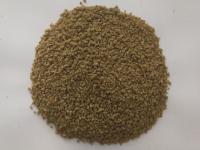
Super absorbent polymer (SAP) hydrogel for industrial effluent solidification is a specialized application of crosslinked hydrophilic polymers designed to immobilize, solidify, and stabilize liquid waste streams. This technology is widely applied in industries such as mining, chemical processing, oil and gas, electroplating, and wastewater treatment, where handling and disposal of liquid effluents pose environmental and operational challenges. The following provides a comprehensive technical analysis of SAP hydrogel systems for industrial effluent solidification, including material design, mechanisms, performance parameters, and application strategies.
1. Concept of Effluent Solidification Using SAP
Industrial effluent solidification refers to the transformation of liquid waste into a semi-solid or solid hydrogel matrix, enabling:
- Easier handling and transportation
- Reduced risk of leakage and spillage
- Improved environmental safety
- Compliance with disposal regulations
SAP hydrogel achieves this by:
- Rapidly absorbing liquid effluent
- Swelling to form a երեք-dimensional network
- Physically trapping water and dissolved contaminants
Unlike traditional solidification methods (e.g., цемент-based systems), SAP provides instantaneous liquid immobilization without significant volume increase or chemical reaction heat.
2. Chemical Composition of SAP Hydrogel
2.1 Base Polymer Structure
The primary material used is crosslinked polyacrylate-based SAP, typically:
- Sodium polyacrylate
- Potassium polyacrylate
- Copolymers with acrylamide or sulfonic monomers
Key structural features include:
- Hydrophilic –COO⁻ groups
- Ionic counterions (Na⁺, K⁺)
- Crosslinked three-dimensional network
2.2 Functional Monomers for Industrial Applications
To enhance performance in complex effluents, SAP formulations often include:
(1) Acrylamide (AM)
- Improves mechanical strength
- Enhances gel stability
(2) 2-acrylamido-2-methylpropane sulfonic acid (AMPS)
- Provides salt resistance
- Maintains absorption in high ionic strength solutions
(3) Hydroxamic acid-modified monomers
- Enable metal ion chelation
- Useful in mining and metallurgical effluents
2.3 Crosslinking System
Crosslinkers such as:
- N,N′-methylenebisacrylamide (MBA)
- Polyfunctional acrylates
are used to control:
- Gel strength
- Swelling capacity
- Structural integrity
Higher crosslink density is typically required for industrial solidification to ensure mechanical stability of the hydrogel mass.
3. Mechanisms of Effluent Solidification
3.1 Absorption and Swelling
SAP absorbs water through:
- Osmotic pressure gradient
- Ionization of carboxylate groups
- Hydrogen bonding with water molecules
The absorbed liquid is converted into a gel phase, preventing free flow.
3.2 Physical Entrapment
The երեք-dimensional polymer network:
- Traps water molecules
- Immobilizes suspended solids
- Restricts movement of dissolved contaminants
3.3 Ionic Interaction and Binding
Functional groups in SAP can interact with:
- Heavy metal ions (e.g., Pb²⁺, Cu²⁺, Fe³⁺)
- Organic contaminants
This occurs via:
- Electrostatic attraction
- Coordination bonding (in modified SAP systems)
3.4 Viscosity and Rheological Transition
The liquid-to-solid transition is characterized by:
- Rapid increase in viscosity
- Formation of a cohesive hydrogel զանգված
This transformation is critical for spill control and waste stabilization.
4. Performance Parameters
4.1 Absorption Capacity in Industrial Effluents
Unlike pure water, industrial effluents often contain:
- High salinity
- Heavy metals
- Organic compounds
These reduce swelling capacity. Therefore, SAP must exhibit:
- High absorption in saline and الكيميائية environments
- Stability in pH range (typically 3–10)
4.2 Gel Strength
High gel strength ensures:
- Structural integrity during handling
- Resistance to mechanical stress
- Prevention of gel breakdown
4.3 Retention and Leakage Resistance
Effective SAP must:
- Retain absorbed liquid under الضغط
- Prevent release during транспорт or disposal
4.4 Chemical Stability
SAP must resist:
- Hydrolysis under extreme pH
- Oxidative degradation
- Interaction with solvents
5. Application Areas
5.1 Mining and Metallurgical Effluents
SAP is used for:
- Tailings water solidification
- Red mud treatment
- Heavy metal immobilization
Hydroxamate-modified SAP is particularly effective in binding metal ions.
5.2 Oil and Gas Industry
Applications include:
- Drilling waste solidification
- Produced water management
- Spill containment
SAP converts liquid hydrocarbons and water mixtures into manageable gels.
5.3 Chemical and Industrial Wastewater
SAP is applied in:
- Sludge dewatering enhancement
- Liquid waste solidification for disposal
- Emergency spill response
5.4 Hazardous Waste Management
SAP can immobilize:
- Toxic liquids
- Contaminated المياه
- Industrial chemicals
This reduces environmental risk and improves safety.
6. Comparison with Conventional Solidification Methods
| Parameter | SAP Hydrogel | Cement/Lime |
|---|---|---|
| Reaction time | Instant | Slow |
| Heat generation | None | Present |
| Volume increase | Low | High |
| Flexibility | High | Rigid |
| Reversibility | Limited | Permanent |
SAP provides a rapid and flexible alternative, especially for emergency and mobile applications.
7. Industrial Implementation Considerations
7.1 Dosage Optimization
SAP dosage depends on:
- Liquid volume
- Chemical composition
- مطلوب solidification level
Typical dosage ranges:
- 0.1–1.0% by weight (depending on system)
7.2 Mixing and Application
SAP can be applied via:
- Direct powder addition
- Pre-dispersion in water
- Injection into waste streams
Uniform mixing is essential for effective solidification.
7.3 Cost and Efficiency
Factors influencing cost-effectiveness include:
- SAP formulation type
- Absorption efficiency
- Waste characteristics
High-performance SAP reduces overall material consumption.
8. Environmental and Regulatory Considerations
SAP-based solidification must comply with:
- Waste disposal regulations
- Leachability standards (e.g., TCLP tests)
- Environmental safety guidelines
Properly designed SAP systems:
- Reduce leachate generation
- Improve containment of contaminants
9. Limitations and Challenges
- Reduced performance in high salinity environments
- Limited degradation in the environment
- Potential release of absorbed المواد under extreme conditions
Ongoing research focuses on:
- Biodegradable SAP
- Enhanced salt resistance
- Functionalized polymers for selective binding
Conclusion
SAP hydrogel for industrial effluent solidification is an advanced material solution based on crosslinked polyacrylate networks with tailored functional modifications. It enables rapid transformation of liquid waste into stable hydrogel matrices, facilitating safe handling, transportation, and disposal.
From an industrial and environmental engineering perspective, the effectiveness of SAP depends on:
- Polymer composition and crosslink density
- Functional monomer selection
- Process optimization and dosage control
With continued advancements in polymer modification and environmental compliance, SAP hydrogels are becoming increasingly important in modern waste management, mining operations, and industrial effluent treatment systems, offering a highly efficient and adaptable approach to liquid waste solidification.
351_small.jpg "super absorbent polymer for cable water blocking tape")