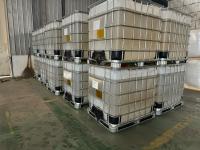
NALCO 8102 and NALCO 8103 are two cationic poly(diallyldimethylammonium chloride) (PolyDADMAC) products, differentiated by molecular weight, charge density, and viscosity, optimized for water treatment, reverse osmosis (RO) pre-treatment, and industrial process water purification. With strong cationic charge, high water solubility, and chlorine tolerance, these grades deliver targeted coagulation, flocculation, and organic matter removal, becoming critical for municipal, industrial, and membrane-based water systems, with each grade tailored to specific water quality and process requirements. Below is a detailed breakdown of their applications, totaling 810 words.
In municipal drinking water treatment, NALCO 8102, a low-to-moderate molecular weight grade with balanced charge density, excels in treating low-to-medium turbidity surface water (e.g., lakes, reservoirs) containing natural organic matter (NOM) like humic/fulvic acids. As a primary coagulant or coagulant aid with aluminum sulfate or polyaluminum chloride (PAC), it neutralizes negative charges on colloidal particles, algae, and bacteria, forming compact flocs that settle quickly, reducing turbidity by 90% and color by 70–80%. It also lowers disinfection byproduct (DBP) precursors by 25–30%, meeting EPA/NSF drinking water standards, and is ideal for small-to-medium water plants with simple sedimentation-filtration setups due to its easy dosing and low corrosion risk.
NALCO 8103 (often sold as 8103 Plus), with moderate molecular weight and higher charge density, targets industrial water with high organic load or emulsified oils, such as petrochemical, steel, and food processing wastewater. It acts as a coagulant to break emulsions and aggregate suspended solids, reducing chemical oxygen demand (COD) by 20–30% and enhancing the efficiency of downstream biological treatment. In heavy metal-bearing wastewater (e.g., electroplating, mining), it chelates ions like Pb²⁺, Cd²⁺, and Cr⁶⁺, forming insoluble complexes for removal via sedimentation or filtration, ensuring compliance with strict discharge limits. Its wide pH stability (5–9) and chlorine tolerance (up to 5 ppm residual Cl₂) suit fluctuating industrial water conditions without performance loss.
A defining use case for both grades is RO pre-treatment, where minimizing silt density index (SDI) and fouling is critical for membrane lifespan. NALCO 8102 is designed for RO systems treating low-fouling water (e.g., well water, secondary-treated wastewater). Dosed before multi-media filters, it aggregates fine colloids and colloidal silica, reducing SDI from 5–6 to <3, the threshold for RO membrane protection, and extends filter run times by 30–40% while cutting backwash frequency. It works synergistically with RO antiscalants, avoiding chemical incompatibility and ensuring consistent permeate flow.
NALCO 8103 Plus is the go-to for high-fouling surface water or industrial process water with high NOM, which are prone to membrane organic fouling. Its higher charge density and bridging ability remove smaller colloids and dissolved organics that 8102 misses, lowering SDI to <2 and extending membrane life by 30–40%. It is widely used in large RO plants (e.g., desalination, power plant boiler feed water) where membrane replacement costs are high, typically dosed at 0.1–2 ppm after dilution to 1% for uniform mixing. It also resists oxidizing biocides (e.g., chlorine), eliminating the need for dechlorination before RO, simplifying operations.
In sludge dewatering, NALCO 8102 conditions low-organic municipal primary sludge or light industrial chemical sludge, improving floc strength for belt filter presses, reducing cake moisture by 10–15% and cutting polymer dosage by 20% vs. generic PolyDADMAC. NALCO 8103 handles sticky, high-organic sludge (e.g., anaerobic digestion, pharmaceutical sludge), forming dense flocs that withstand centrifugation or plate-and-frame filter presses, lowering dewatering energy use by 25%.
In papermaking, both grades act as retention aids and pitch control agents. NALCO 8102 boosts fine fiber/filler retention by 15–20% in packaging/corrugated paper production, reducing raw material loss and wastewater COD. NALCO 8103 enhances wet strength by 20–25% in specialty paper (e.g., food-grade, coated paper) and prevents pitch deposition on machine surfaces, reducing downtime for cleaning.
Overall, NALCO 8102 balances cost and performance for basic water treatment, while NALCO 8103 delivers superior organic removal and RO pre-treatment efficiency, meeting diverse water purification and process optimization needs