Our Products
Polyacrylamide / High charge of anionic polyacrylamide emulsion(80-100%) used for water treatment
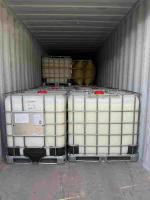


High charge anionic polyacrylamide emulsion (80–100% hydrolysis degree) is a highly efficient polymer flocculant widely used in water treatment and wastewater treatment processes. This polymer is produced through the polymerization of acrylamide followed by a high degree of hydrolysis, which converts amide groups into negatively charged carboxylate groups. When the hydrolysis degree reaches 80–100%, the polymer contains a very high density of anionic functional groups. This strong negative charge significantly improves the polymer’s ability to interact with suspended particles and enhance solid–liquid separation in water treatment systems.
https://youtube.com/shorts/ckg9ppUi9Ns
The high charge anionic polyacrylamide emulsion (80–100% hydrolysis degree) is usually supplied in emulsion form. Compared with powder polyacrylamide, the emulsion form offers several advantages such as rapid dissolution, convenient storage, easy handling, and quick activation in water. Because the polymer chains are already dispersed in an oil-in-water emulsion system, the product can be diluted and applied quickly in continuous dosing systems. This makes it very suitable for large-scale municipal and industrial water treatment plants.
One of the most common uses of high charge anionic polyacrylamide emulsion (80–100% hydrolysis degree) is in municipal drinking water treatment. Surface water sources such as rivers, lakes, and reservoirs contain suspended solids, clay particles, algae, and natural organic matter. These particles are usually stable in water because they carry negative surface charges and remain dispersed. During the water treatment process, coagulants such as aluminum sulfate or ferric chloride are first added to destabilize the particles. The high charge anionic polyacrylamide emulsion (80–100% hydrolysis degree) is then used as a coagulant aid to promote floc formation. The long polymer chains bridge small particles together, forming large and dense flocs that settle quickly in sedimentation tanks. This improves turbidity removal and enhances the efficiency of filtration systems.
Another important application of high charge anionic polyacrylamide emulsion (80–100% hydrolysis degree) is in industrial wastewater treatment. Many industries generate wastewater containing suspended solids, mineral particles, and metal hydroxides. Industries such as mining, coal preparation, steel manufacturing, chemical processing, and power plants rely on effective flocculants to remove these contaminants. The strong anionic charge of the high charge anionic polyacrylamide emulsion (80–100% hydrolysis degree) enables the polymer to effectively capture and aggregate positively charged particles or particles destabilized by coagulants. As a result, larger flocs are formed, which settle rapidly in clarifiers or can be removed by dissolved air flotation systems. This process significantly reduces turbidity, suspended solids, and pollutant load in industrial effluents.
In mining and mineral processing operations, the high charge anionic polyacrylamide emulsion (80–100% hydrolysis degree) is widely used in tailings thickening and clarification systems. Mineral tailings often consist of extremely fine particles that remain suspended in water for long periods. By adding the high charge anionic polyacrylamide emulsion (80–100% hydrolysis degree), the polymer chains attach to multiple particles and form large aggregates. These aggregates settle rapidly in thickeners, allowing clear water to be recovered and reused in the processing plant. Efficient tailings settling also reduces the environmental impact of mining operations by minimizing the discharge of suspended solids.
The sludge dewatering process is another key area where high charge anionic polyacrylamide emulsion (80–100% hydrolysis degree) plays a crucial role. Wastewater treatment plants generate large volumes of sludge that contain a mixture of water and fine solids. Before disposal, the sludge must be thickened and dewatered using mechanical equipment such as belt filter presses, centrifuges, or plate and frame filter presses. When the high charge anionic polyacrylamide emulsion (80–100% hydrolysis degree) is added to the sludge, it improves floc formation and releases bound water from the sludge structure. This results in better solids capture, improved filtration performance, and drier sludge cakes, which reduces transportation and disposal costs.
In the paper and pulp industry, the high charge anionic polyacrylamide emulsion (80–100% hydrolysis degree) is used to treat process water and wastewater containing cellulose fibers, fillers, and organic materials. The polymer promotes the aggregation of fine particles and fibers, allowing them to settle quickly or be recovered from the water stream. This improves water reuse efficiency and reduces pollution in discharged wastewater.
Another important application is in oilfield water treatment and produced water clarification. Oil production often generates wastewater containing suspended solids, drilling particles, and mineral fines. The high charge anionic polyacrylamide emulsion (80–100% hydrolysis degree) enhances the separation of solids from water and improves the efficiency of oilfield water recycling systems. By accelerating sedimentation and reducing turbidity, the polymer helps maintain the performance of treatment equipment and prevents clogging in downstream processes.
In addition, high charge anionic polyacrylamide emulsion (80–100% hydrolysis degree) can be used for sediment control and environmental water treatment. In construction sites, dredging operations, and soil erosion control projects, water often contains large amounts of suspended soil particles. The polymer rapidly flocculates these particles and reduces turbidity, helping protect rivers, lakes, and reservoirs from sediment pollution.
In conclusion, high charge anionic polyacrylamide emulsion (80–100% hydrolysis degree) is a powerful and versatile flocculant used extensively in water treatment. Its high anionic charge density, large molecular weight, and excellent bridging ability make it highly effective for removing suspended solids and improving sedimentation performance. Because of its fast dissolution, high efficiency, and broad applicability, it is widely applied in municipal drinking water treatment, industrial wastewater treatment, mining tailings clarification, sludge dewatering, paper industry wastewater treatment, oilfield water management, and environmental sediment control. As water treatment standards continue to become stricter worldwide, the importance of high charge anionic polyacrylamide emulsion (80–100% hydrolysis degree) in modern water purification technology will continue to grow.
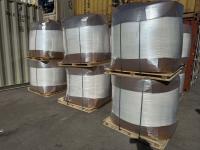
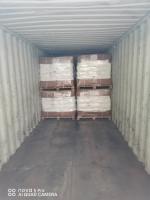
695_small.jpg "anionic polyacrylamide used for bored pile(bored piling)")