

Our Products

Polyacrylamide / FLOPAM EM440 HIB branched Cationic polyacrylamide emulsion
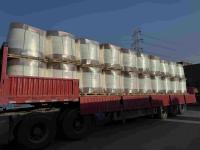
FLOPAM EM440 HIB is a high-performance branched cationic polyacrylamide emulsion widely used as a flocculant in wastewater treatment and industrial solid-liquid separation processes. the product is designed with high molecular weight and a highly branched polymer structure, which provides strong flocculation capability, excellent sludge dewatering performance, and high shear resistance.
The term “HIB” generally refers to a highly branched molecular architecture. Compared with conventional linear polymers, branched polymers form larger, denser, and stronger flocs. This improves sedimentation, filtration, and water-release performance during sludge treatment operations.
The application of FLOPAM EM440 HIB branched cationic polyacrylamide emulsion mainly includes municipal wastewater treatment, industrial wastewater treatment, mining, paper manufacturing, oil processing, and environmental-protection operations.
1. Municipal Wastewater Treatment
One of the largest applications of FLOPAM EM440 HIB is municipal wastewater treatment.
Sludge Dewatering
Municipal sewage-treatment plants generate large amounts of biological sludge that must be dewatered before disposal. FLOPAM EM440 HIB is widely used as a sludge-conditioning agent in centrifuges, belt filter presses, screw presses, and plate-and-frame filter presses.
The cationic polymer neutralizes negatively charged sludge particles and promotes particle aggregation. The highly branched structure forms strong and compact flocs that release water efficiently during mechanical dewatering.
As a result, wastewater-treatment plants achieve:
- Higher sludge cake dryness
- Reduced sludge volume
- Lower transportation and disposal costs
- Improved equipment efficiency
Sludge Thickening
The polymer is also used in sludge-thickening systems before digestion or final dewatering. FLOPAM EM440 HIB improves settling speed and increases sludge concentration.
Clarification Processes
In primary and secondary clarification systems, the polymer helps remove suspended solids from wastewater, reducing turbidity and improving treated-water quality.
Municipal wastewater treatment remains one of the most important markets for branched cationic polyacrylamide emulsions.
2. Industrial Wastewater Treatment
Industrial wastewater treatment is another major application area for FLOPAM EM440 HIB.
Food and Beverage Industry
Food-processing wastewater often contains fats, proteins, starches, oils, and suspended organic matter. FLOPAM EM440 HIB improves flocculation by combining fine particles into larger flocs that settle rapidly.
The polymer helps reduce suspended solids and improves clarification efficiency before biological treatment or discharge.
Textile Industry
Textile wastewater contains dyes, fibers, surfactants, and suspended contaminants. The polymer assists coagulation and flocculation processes, improving particle removal and wastewater clarity.
Chemical Manufacturing
Chemical plants generate wastewater containing fine solids, reaction residues, and process contaminants. FLOPAM EM440 HIB improves sedimentation and sludge dewatering performance.
Metal Processing and Electroplating
Electroplating wastewater often contains metal hydroxides and suspended particles. The polymer improves solid-liquid separation and reduces sludge-handling costs.
Industrial wastewater applications are expanding because industries must meet increasingly strict environmental discharge regulations.
3. Mining and Mineral Processing Applications
Mining operations widely use FLOPAM EM440 HIB for tailings treatment and mineral-processing systems.
Tailings Thickening
Mining processes generate tailings slurry containing ultrafine mineral particles that settle slowly. FLOPAM EM440 HIB accelerates settling by forming large and stable flocs.
This improves thickener performance and increases water recovery efficiency.
Clarification of Process Water
Mining plants recycle process water to reduce freshwater consumption. The polymer helps clarify recycled water by removing suspended solids.
Filtration Improvement
The highly branched polymer structure improves filtration efficiency by producing stronger flocs that resist shear during pumping and filtration operations.
Mining applications benefit greatly from the high molecular weight and strong floc structure of HIB polymers.
4. Paper and Pulp Industry Applications
The paper and pulp industry is another important user of FLOPAM EM440 HIB.
Sludge Dewatering
Paper mills generate sludge containing cellulose fibers, fillers, clay, and organic materials. The polymer improves dewatering efficiency and reduces sludge-disposal costs.
Fiber Recovery
FLOPAM EM440 HIB can recover fine cellulose fibers from white-water systems, improving resource utilization and reducing waste.
Wastewater Clarification
The polymer reduces turbidity and suspended solids in paper mill wastewater systems, improving water recycling performance.
Paper manufacturers value branched cationic polyacrylamide emulsions because they improve operational efficiency and reduce environmental impact.
5. Oil and Gas Industry Applications
FLOPAM EM440 HIB is widely used in refinery and oilfield wastewater-treatment operations.
Oily Wastewater Treatment
Oil refineries and petrochemical facilities generate wastewater containing emulsified oil, hydrocarbons, and suspended solids. The polymer improves oil-water separation and clarification efficiency.
Sludge Conditioning
Oil sludge and refinery sludge can be conditioned with FLOPAM EM440 HIB before centrifuge or filter-press dewatering.
Produced Water Treatment
In oilfield applications, the polymer helps remove suspended particles from produced water before reinjection or discharge.
The oil and gas industry requires polymers with strong flocculation performance and high shear resistance, making HIB polymers highly effective.
6. Environmental Protection Applications
Environmental protection is another important application field for FLOPAM EM440 HIB.
Sludge Volume Reduction
Improved sludge dewatering reduces sludge volume and lowers landfill and transportation costs.
Water Recycling
The polymer improves clarification efficiency, helping industries recycle and reuse process water.
Pollution Reduction
Efficient solid-liquid separation reduces contaminant discharge into natural water systems.
As industries increasingly focus on sustainable wastewater management, the demand for high-efficiency flocculants continues to grow.
7. Advantages of FLOPAM EM440 HIB
FLOPAM EM440 HIB offers several important operational benefits.
Strong and Compact Flocs
The highly branched structure forms stronger and denser flocs than conventional linear polymers.
Excellent Shear Resistance
The polymer maintains floc integrity under high mixing and pumping conditions.
Improved Dewatering Performance
The product produces drier sludge cakes, reducing handling and disposal costs.
Lower Polymer Consumption
Efficient flocculation can reduce the required polymer dosage.
Fast Emulsion Inversion
As an emulsion polymer, FLOPAM EM440 HIB disperses rapidly and works efficiently in automated dosing systems.
Conclusion
FLOPAM EM440 HIB branched cationic polyacrylamide emulsion is a highly effective flocculant widely used in municipal wastewater treatment, industrial wastewater treatment, mining, paper manufacturing, oil processing, and environmental-protection applications.
Its high molecular weight, strong cationic charge density, and highly branched molecular structure provide excellent sludge dewatering, clarification, and solid-liquid separation performance. With growing global demand for water recycling, environmental compliance, and efficient wastewater-treatment technologies, the application scope of FLOPAM EM440 HIB continues to expand across many industries worldwide.