Polyamine with a viscosity range of 50–100 mPa·s is one of the most commonly used grades in water and wastewater treatment due to its balanced performance, ease of handling, and wide applicability. This viscosity range generally corresponds to a medium molecular weight polymer with high cationic charge density, making it particularly effective as a primary coagulant or coagulant aid in various treatment processes. The function and applications of 50–100 viscosity polyamine can be understood in detail through its physicochemical properties and treatment performance.
First, the viscosity of 50–100 mPa·s indicates that the polyamine has a moderate molecular chain length, which allows it to diffuse rapidly in water and interact efficiently with suspended particles. Unlike very high molecular weight polymers, which rely more on bridging mechanisms, this grade of polyamine primarily works through charge neutralization. Most contaminants in water—such as colloids, organic matter, clay particles, and microorganisms—carry negative surface charges. The high cationic charge density of polyamine neutralizes these charges quickly, destabilizing the colloidal system and promoting coagulation.
In drinking water treatment, polyamine with 50–100 viscosity is widely used for raw water clarification. Surface water sources often contain turbidity, natural organic matter (NOM), algae, and color-causing compounds like humic substances. This polyamine grade effectively neutralizes these negatively charged impurities, leading to the formation of microflocs that can aggregate into larger flocs. These flocs are then removed through sedimentation and filtration. Compared to traditional inorganic coagulants such as alum, this polyamine grade can reduce chemical dosage requirements, minimize sludge production, and improve treated water clarity. It is particularly useful in low-temperature or low-turbidity conditions where inorganic coagulants perform less efficiently.
In industrial wastewater treatment, 50–100 viscosity polyamine is highly versatile. It is commonly applied in industries such as textiles, paper mills, food processing, oil refining, and chemical manufacturing. Wastewater from these industries often contains emulsified oils, dyes, suspended solids, and high levels of COD (Chemical Oxygen Demand). Polyamine effectively destabilizes emulsions and binds fine particles, allowing them to aggregate and settle. For example, in textile wastewater, this polyamine grade is used for decolorization, as it can interact with negatively charged dye molecules and form insoluble complexes. This results in significant color removal and improved effluent quality.
Another important application is in dissolved air flotation (DAF) systems. The 50–100 viscosity polyamine is particularly suitable for DAF because it produces dense, hydrophobic flocs that readily attach to air bubbles. This enhances the flotation of light particles such as oils, grease, and algae. In industries like food processing and petrochemicals, where oil-water separation is critical, this polyamine grade plays a key role in improving DAF efficiency and reducing residual contaminants in the treated water.
In sludge conditioning, polyamine with this viscosity range is often used as a pre-treatment agent before adding high molecular weight flocculants such as cationic polyacrylamide. Sludge particles are typically negatively charged and contain a significant amount of bound water. Polyamine neutralizes the charge and releases some of the bound water, making the sludge more amenable to flocculation and dewatering. When followed by polyacrylamide addition, larger and stronger flocs are formed, resulting in better performance in belt presses, centrifuges, or filter presses. This leads to higher cake solids and reduced sludge volume, which lowers disposal costs.
The compatibility with inorganic coagulants is another key advantage of 50–100 viscosity polyamine. It is often used in combination with aluminum sulfate (alum) or ferric chloride to enhance coagulation efficiency. In such systems, polyamine acts as a coagulant aid by strengthening floc formation and reducing the required dosage of inorganic chemicals. This not only improves treatment performance but also decreases the amount of chemical sludge generated. Additionally, the use of polyamine can reduce the need for pH adjustment, as it is effective over a wide pH range.
In terms of operational benefits, this viscosity range offers excellent handling characteristics. The product is typically supplied as a liquid with manageable thickness, allowing for easy pumping, storage, and dosing. It dissolves rapidly in water and does not require complex preparation systems, unlike powder flocculants. This makes it suitable for both large-scale municipal plants and smaller industrial facilities.
Another function of 50–100 viscosity polyamine is in phosphorus removal. While it is not the primary chemical used for phosphate precipitation, it can assist in removing phosphorus by incorporating phosphate ions into flocs during coagulation. This is particularly useful in wastewater treatment plants aiming to meet stringent discharge limits for nutrients.
Despite its many advantages, proper dosage control is essential. If the dosage is too low, coagulation will be incomplete, and suspended particles will remain in the water. If overdosed, polyamine can cause charge reversal, where particles become positively charged and restabilize, leading to poor treatment performance. Therefore, jar testing is recommended to determine the optimal dosage for specific water conditions.
In summary, polyamine with a viscosity of 50–100 mPa·s is a highly effective and versatile coagulant used in water treatment. Its moderate molecular weight and high cationic charge density enable rapid charge neutralization, efficient coagulation, and improved solid-liquid separation. It is widely used in drinking water treatment, industrial wastewater treatment, DAF systems, sludge conditioning, and as a coagulant aid with inorganic salts. Its ease of handling, broad pH applicability, and ability to reduce sludge production make it a preferred choice for many treatment applications. This balance of performance and practicality is why the 50–100 viscosity range remains one of the most popular specifications for polyamine in the water treatment industry.

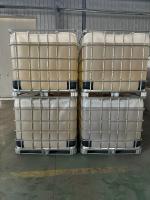



995_small.jpg "high viscosity of polyamine used for mining and water treatment")
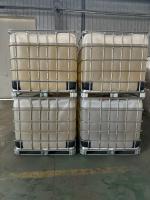
803_small.jpg "polyamine coagulant for drinking water purification")